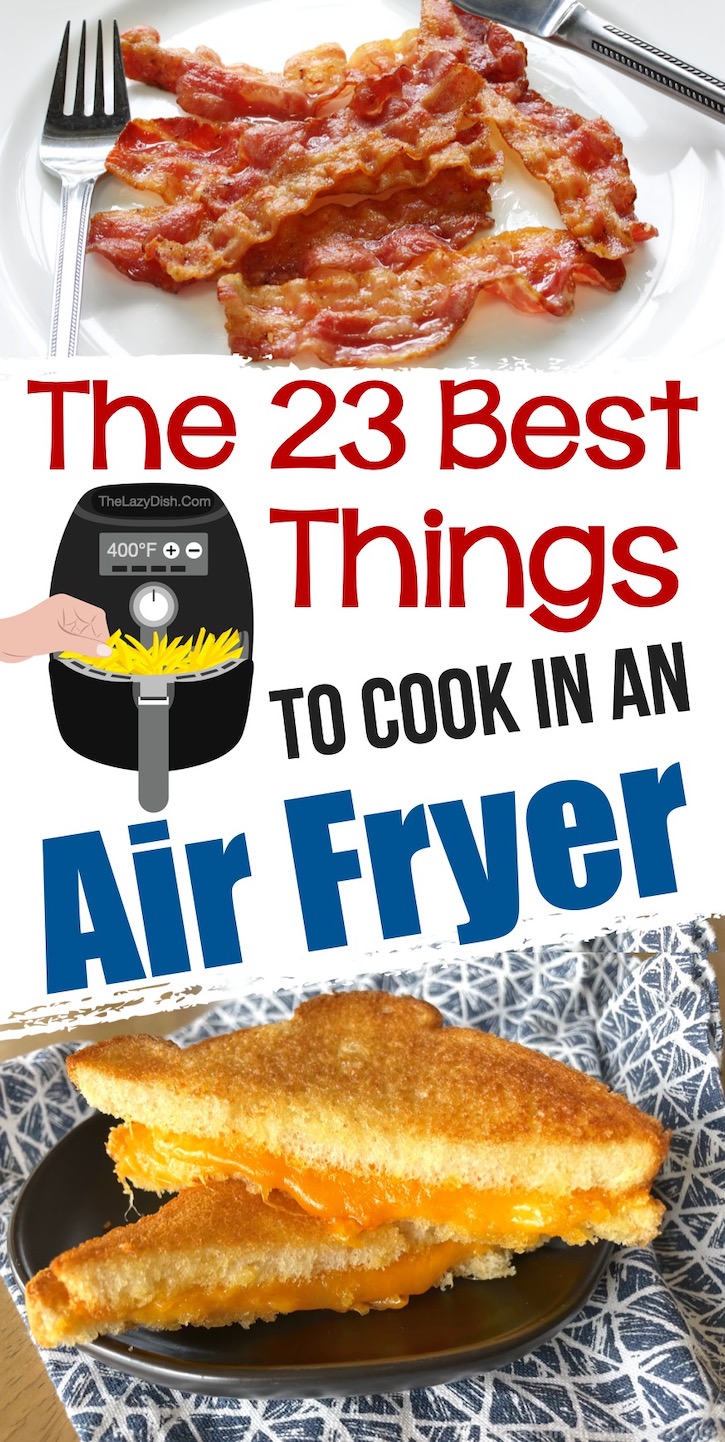
Air fryers are versatile kitchen appliances that use rapid air circulation to cook food, providing a healthier alternative to traditional frying. They can achieve crispy textures with significantly less oil, making them ideal for health-conscious cooks.
Many air fryers come equipped with features such as adjustable temperature settings, timers, and pre-programmed cooking modes. For example, some models offer specialized settings for cooking frozen foods, baking, or roasting, allowing users to experiment with a variety of recipes easily.
To maximize your air frying experience, it's crucial to follow certain best practices. Preheating the air fryer before adding food can enhance cooking efficiency and ensure even results, while avoiding overcrowding the basket allows hot air to circulate properly.
Additionally, using a light coating of oil can help achieve a golden-brown finish without compromising health benefits. Experimenting with cooking times and temperatures based on your specific model and the type of food can also lead to better outcomes.
Exploring new recipes is a great way to become familiar with your air fryer. From crispy vegetables and savory meats to delectable desserts, the possibilities are endless. Popular choices include air-fried chicken wings, roasted Brussels sprouts, and even air-fried donuts.
Many recipe resources are available online, offering step-by-step instructions and tips for adjusting cooking times. Additionally, community forums often share user-generated recipes that can inspire creativity in the kitchen.
While air fryers are user-friendly, beginners may encounter pitfalls that can impact their cooking results. One common mistake is not shaking or flipping food halfway through cooking, which can lead to uneven browning.
Another error is ignoring the recommended cooking times for different foods. Each air fryer model may have variations in cooking efficiency, so understanding your specific appliance's quirks is essential for achieving the best results.