Felix Brownie Recipe: Fudgy, Crinkly-Topped Sunshine Method

What’s in this guide
- What Is Felix's Brownie Recipe?
- Ingredients Needed in Grams and Cups
- Step 1: Prep Pan and Measure Ingredients
- Step 2: Melt the Chocolate and Butter
- Step 3: Combine Sugar, Cocoa, and Espresso
- Step 4: Beat the Eggs
- Step 5: Fold in the Flour and Chocolate Chips
- Step 6: Bake and Test for Doneness
- Troubleshooting Common Brownie Problems
- Pro Tips for Fudgy, Crinkly-Topped Brownies
- Felix's Cookies & Brownie Alternatives
- Frequently Asked Questions
- Conclusion
You’ve found five different versions of the skz felix brownie recipe online — all in grams, no cup measurements, no explanation of why anything works. You tried it anyway, set your timer for 25 minutes at 180°C, and pulled out something dry, cakey, and nothing like the dense, fudgy, crinkly-topped brownies you watched Lee Felix pull from the oven in the Sunshine Vlog.
The problem isn’t you. Fan-made Carrd pages and Tumblr posts did their best, but they left out the why — no US cup conversions, no baking science, no visual cues to tell you when to stop baking. That gap is exactly why so many first attempts end up overcooked.
“i have my own recipe and i’d really like to make them to compare lol”
— Fan, r/skzmedia
That’s the energy this guide is built for. Here you’ll find the complete, beginner-friendly lee felix brownie recipe with exact US cup measurements alongside every gram weight, the science behind bread flour and espresso powder, and step-by-step photos so you can nail that fudgy, crinkly-topped result on your very first try. The guide walks through 6 numbered steps, a troubleshooting section for the most common failures, and pro tips that explain the why behind every choice — so you bake with confidence, not guesswork.
Key Takeaways: Felix Brownie Recipe
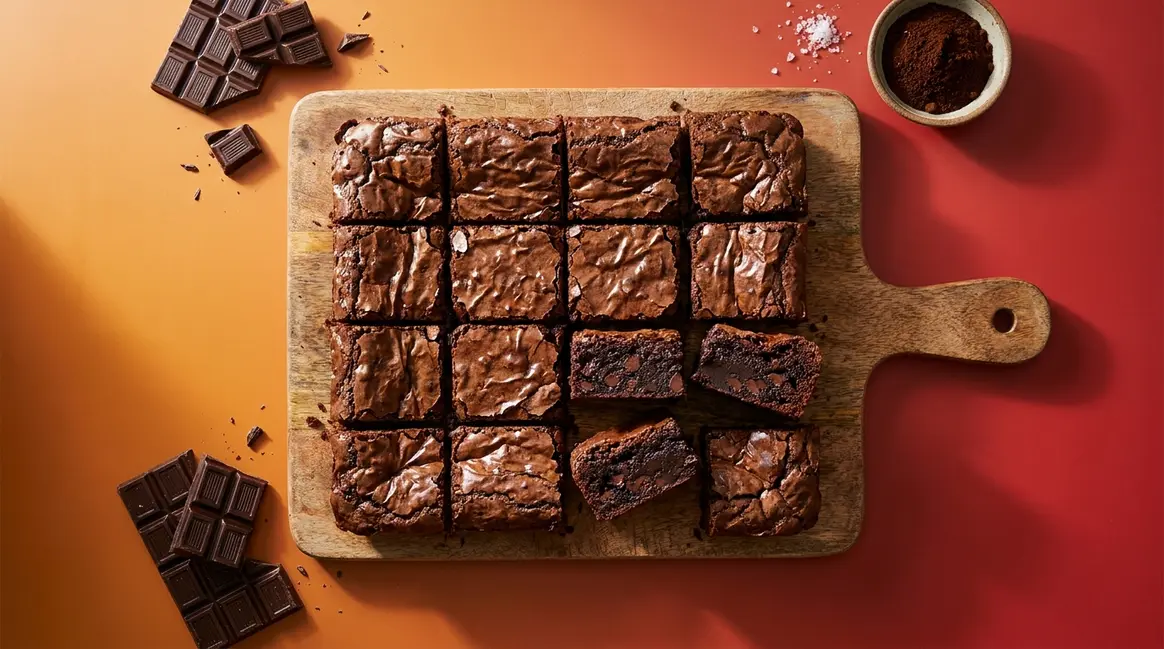
Felix’s brownie recipe produces ultra-fudgy, crinkly-topped brownies baked at 180°C (356°F) for approximately 20–25 minutes. This 6-step process takes about 45 minutes total.
- Signature Ingredient: Bread flour (20g / ~2½ tbsp) creates a chewier, denser texture than all-purpose flour alone
- Secret Weapon: Espresso powder deepens chocolate flavor without making brownies taste like coffee — per King Arthur Baking
- The Crinkly Top: Comes from vigorously mixing eggs and sugar — don’t skip this step
- US Conversions: Full grams-to-cups table in the Ingredients section below
- The Sunshine Method: Combines Felix’s original vlog technique with baking science for a beginner-proof result
What Is Felix’s Brownie Recipe?
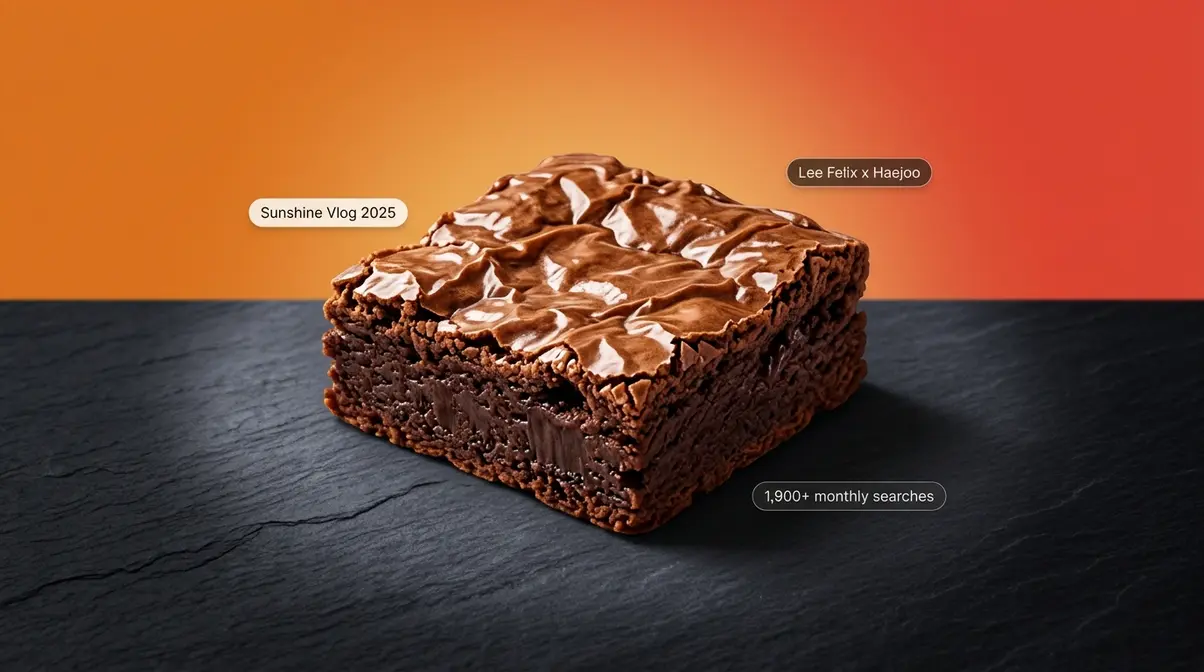
Felix’s brownie recipe is a rich, fudgy dessert made with dark chocolate, Dutch-process cocoa, espresso powder, and a blend of all-purpose and bread flour, first shared by Lee Felix of Stray Kids (SKZ) during a 2025 YouTube baking collaboration called the Sunshine Vlog. Unlike a standard brownie recipe, it contains no baking powder or baking soda — a deliberate choice that keeps the texture dense and intensely chocolatey rather than light and cakey.
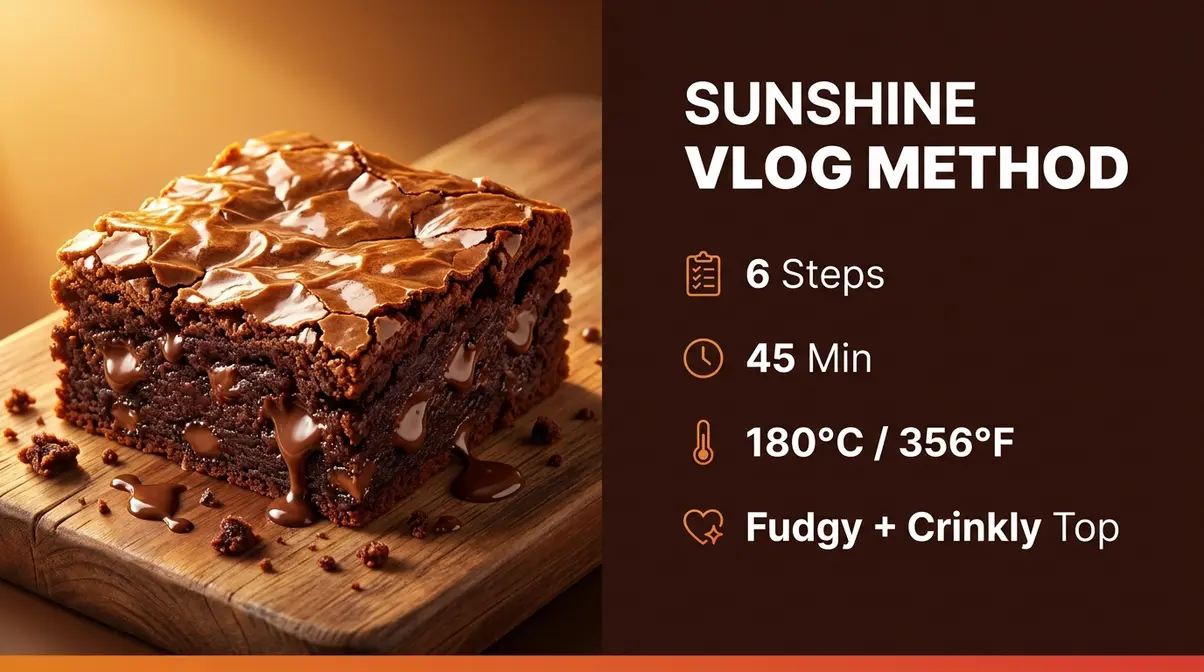
Felix’s brownie recipe, shared during a Sunshine Vlog baking collaboration on YouTube (2025), has generated over 1,900 monthly searches — making it one of the most-searched celebrity baking recipes in the K-pop community. Fans who have baked and compared it to box-mix results consistently describe it as richer, denser, and more satisfying — worth every extra step.
This guide uses The Sunshine Method — a systematic approach that takes Felix’s original vlog measurements, adds verified US cup conversions, and layers in the baking science behind each ingredient choice. The result: a beginner-proof path to the same fudgy, crinkly-topped brownies Felix made on screen.
Before diving into the steps, here’s a quick look at where this recipe came from, what makes it genuinely different, and why fans can’t stop recreating it. For the official Felix brownie recipe with full details, the complete source is linked here.
Recipe Origin and History
The recipe originates from Felix’s Sunshine Vlog — a 2025 YouTube baking video in which Lee Felix collaborates with content creator Haejoo to make brownies from scratch. The video drove a surge in search interest, peaking at approximately 3,600 searches per month in September 2025 according to keyword data. It’s one of the most organically viral K-pop food moments in recent years.
The fan response was immediate and widespread. The SKZ fan community on Reddit (r/skzmedia) began requesting accessible versions almost as soon as the video went live. Fan sites like felixbrownies.carrd.co transcribed the recipe, and TikTok creators like @littleremyfood posted their own recreations — but almost every version captured only the metric measurements, leaving US-based bakers without cup equivalents.
This guide is the first to combine the original vlog measurements with full US cup conversions and baking science context — the skz felix brownie recipe in the format fans actually need.
Now that you know where this recipe came from, let’s look at what makes it genuinely different from a standard brownie recipe — and why it’s worth the extra steps.
What Makes These Brownies Unique?
The most important thing to understand about this recipe is what it doesn’t contain. There is no baking powder and no baking soda. That’s intentional. Leavening agents (ingredients that create gas bubbles and make baked goods rise) produce a cakey, airy texture — exactly the opposite of what you want here. Skipping them entirely is how Felix’s brownies stay so dense and fudgy.
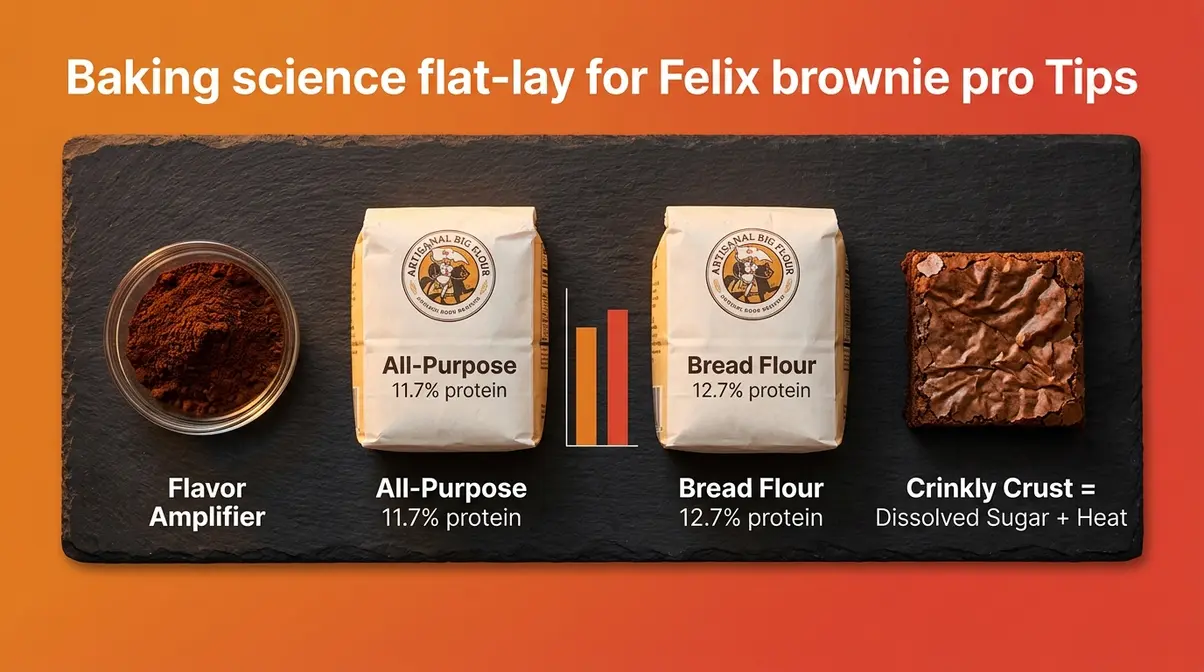
The second differentiator is bread flour (a higher-protein wheat flour, typically 12.7% protein compared to all-purpose flour’s 11.7%, per King Arthur Baking). More protein means more gluten development, which gives the brownie a chewier, denser bite. Think of it this way: bread flour is to all-purpose flour what a chewy bagel is to a soft sandwich loaf — same basic ingredient, very different result. The recipe uses a blend of all-purpose flour (100g / ¾ cup) and bread flour (20g / ~2½ tbsp) to balance structure with fudginess.
Third is espresso powder (instant espresso, not ground coffee). According to the chemistry of gluten formation in brownies research from Dickinson College (2023), the interplay of fats, sugars, and flour proteins determines final brownie texture — and espresso powder contributes by amplifying the chocolate’s natural bitterness and roasted notes, making the flavor more complex without any coffee taste. Compare that to a box-mix brownie, which uses all-purpose flour and no espresso — lighter, less intense, and noticeably less rich.
Keep this accessible — one concept at a time. With that context in mind, let’s get everything ready before you start baking.
Why Fans Can’t Stop Trying This Recipe
The appeal goes beyond fan loyalty, though that’s certainly part of it. User consensus across SKZ fan communities on Reddit and TikTok describes the finished brownies as genuinely superior to most box mixes — more chocolatey, more fudgy, and satisfying in a way that store-bought shortcuts simply aren’t.
There’s also the emotional dimension. Recreating something your favorite artist actually made — following the same steps, using the same ingredients — is a different experience from just eating a brownie. Fan reports on r/skzmedia describe the process as fun even when the first attempt isn’t perfect. AI search interest in the recipe has grown approximately 88% year-over-year, suggesting the updated 2026 version is gaining momentum rather than fading. The recipe is worth it.
Ready to make them yourself? Here’s everything you’ll need.
Ingredients Needed in Grams and Cups
The #1 pain point for fans trying to make this recipe is the lack of US cup measurements. Every major fan source — felixbrownies.carrd.co, Tumblr posts, Blogspot pages — lists only grams. The table below solves that problem completely, giving you both measurements for every ingredient so you can bake accurately whether or not you own a kitchen scale.
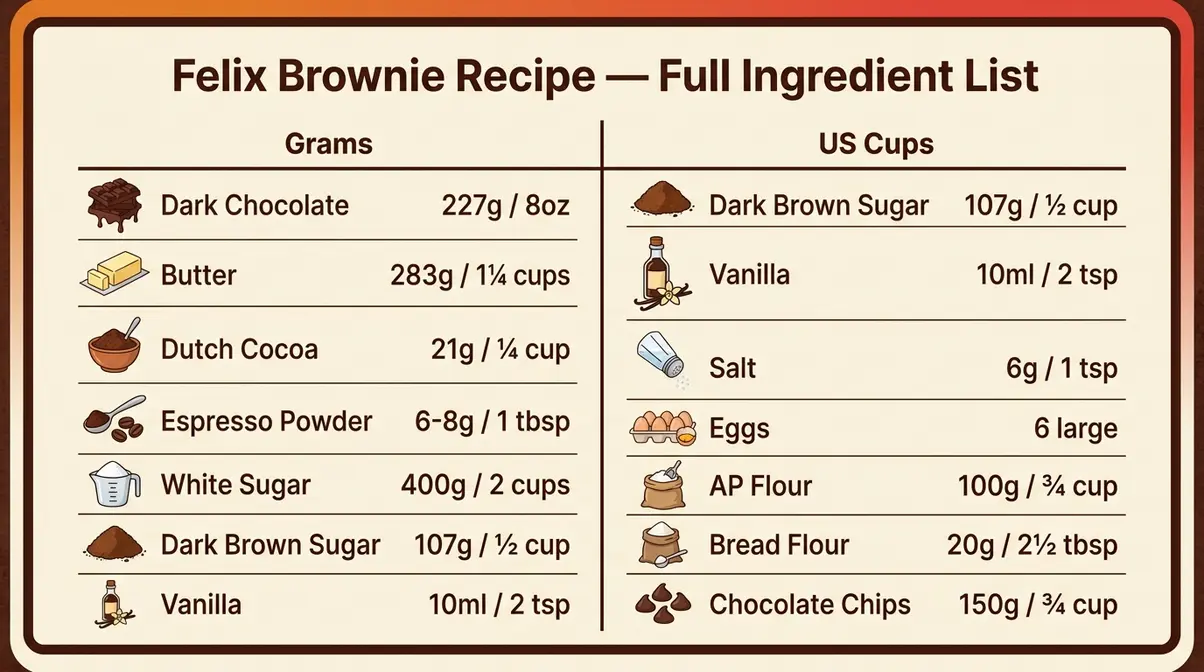
For the Felix brownie ingredients and measurements in a printable format, the full recipe card is also available at that link.
Ingredients in Grams and Cups
These felix brownie recipe in cups conversions are standardized specifically for this recipe based on the original Sunshine Vlog (2025). For best accuracy, a kitchen scale is always recommended — but the cup measurements below allow you to bake without one.
| Ingredient | Grams | US Cups / Measure | Notes |
|---|---|---|---|
| Dark chocolate bars, chopped | 227g | 8 oz (about 1½ cups chopped) | 60–70% cacao recommended |
| Unsalted butter, melted | 283g | 1¼ cups | Melted, not softened |
| Dutch-process cocoa powder | 21g | ¼ cup | Sifted; alkalized/Dutch-process preferred |
| Instant espresso powder | 6–8g | 1 tablespoon | Not ground coffee — instant espresso only |
| Granulated (white) sugar | 400g | 2 cups | |
| Dark brown sugar, packed | 107g | ½ cup | Packed — press firmly into cup |
| Vanilla extract | 10ml | 2 teaspoons | |
| Salt | 6g | 1 teaspoon | Plus flaky salt for topping, optional |
| Eggs | 6 large | 6 large | Room temperature |
| All-purpose flour | 100g | ¾ cup | Spooned and leveled |
| Bread flour | 20g | ~2½ tablespoons | See notes below |
| Chocolate chips (for folding in) | 150g | ~¾ cup | Semi-sweet or dark |
A note on “packed brown sugar”: This means pressing the sugar firmly into your measuring cup until it holds the cup’s shape when turned out. Many beginner bakers scoop loosely, which can reduce the actual quantity by 20–30% and affect sweetness and moisture in the final brownie.
A note on bread flour: At 20g, this is approximately 2½ tablespoons — a small but meaningful amount. Bread flour is slightly denser than all-purpose flour (120g per cup vs. 125g per cup for all-purpose), so don’t substitute cup-for-cup by weight. The blended flour approach is key to the recipe’s signature chew.
FDA guidelines on raw flour safety confirm that most flour is a raw food that requires full baking to eliminate harmful bacteria — never consume raw batter, and always bake through completely (FDA, 2023). This applies to the raw eggs in this recipe as well.
Got everything? Here’s what you’ll need in terms of equipment before you start.
Equipment You’ll Need
- 8×8 inch (20×20 cm) baking pan — a 9×9 inch pan produces thinner brownies that bake faster; reduce time by 3–5 minutes if using a larger pan
- Double boiler or heatproof bowl + saucepan — for melting chocolate and butter together without burning
- Electric hand mixer or stand mixer — critical for properly beating the eggs and sugar; a whisk by hand works but requires significant effort
- Rubber spatula — for folding flour without overmixing
- Sieve or fine-mesh sifter — for cocoa powder to prevent lumps
- Kitchen scale — recommended for accuracy, though cup measurements above allow baking without one
- Parchment paper — essential for Felix’s double-butter pan technique (see Step 1)
Now let’s move into the baking process, step by step.
Why These Key Ingredients Matter
The felix brownie recipe ingredients work together in a specific way — understanding the purpose of each one helps you avoid the most common mistakes.
Bread flour (12.7% protein) vs. all-purpose flour (11.7% protein): According to King Arthur Baking’s research on scientific ratios for fudgy brownies and flour protein science, more gluten-forming protein creates a chewier, more structured crumb (Popular Science, 2023). The bagel analogy holds: the small addition of bread flour is what gives Felix’s brownies that distinctive dense chew that box-mix brownies can’t replicate.
Espresso powder amplifies chocolate flavor without adding coffee taste. King Arthur Baking describes it as “a supporting actor that helps the star ingredient shine” — a pinch intensifies the cocoa’s roasted, bitter notes, making the chocolate taste more complex and satisfying (King Arthur Baking, 2017, updated 2026). You can omit it if unavailable, but the flavor depth will be noticeably reduced.
Dutch-process cocoa (alkalized cocoa with milder acidity) produces a smoother, less sharp chocolate flavor than natural cocoa. Substituting natural cocoa will still work but changes the taste profile slightly.
Dietary variations: For a gluten-free version, replace both flours with a 1:1 tapioca/rice flour blend at the same total weight (120g). For dairy-free, substitute plant-based butter at the same weight and use vegan dark chocolate chips. Results will be slightly different in texture but still fudgy.
With your ingredients measured and your equipment ready, here’s how to make Felix’s brownies, one step at a time.
Step 1: Prep Pan and Measure Ingredients
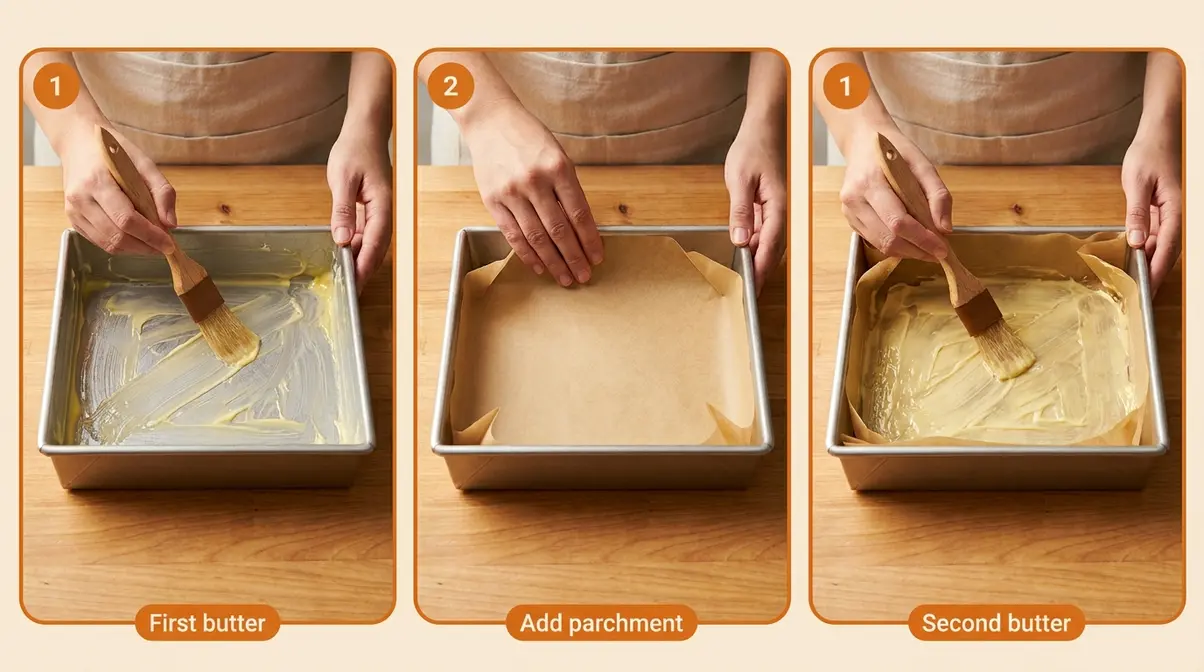
The first step sets up everything that follows. Before you touch a single ingredient, prepare your pan using the technique demonstrated in the Sunshine Vlog: double-buttering. Spread a thin layer of softened butter directly on the base and sides of your 8×8 inch pan. Lay a sheet of parchment paper over it, pressing it into the corners. Then spread a second thin layer of butter over the parchment. This double layer ensures the brownies release cleanly and the edges don’t stick — a detail absent from most fan-transcribed versions of this recipe.
Next, preheat your oven to 180°C (356°F). Do this before you start mixing — the oven needs at least 10–15 minutes to reach the correct temperature, and putting brownies into an under-heated oven is one of the most common causes of uneven baking.
Now practice mise en place (French for “everything in its place”) — measure and prepare all your ingredients before you start cooking. Weigh or measure every ingredient and set them out in separate bowls or cups. This prevents the panicked mid-step scramble that leads to measurement errors.
Checkpoint ✓ Pan is double-buttered with parchment. Oven is preheating to 180°C. All ingredients are measured and ready.
Step 2: Melt the Chocolate and Butter
In a large heatproof bowl set over a saucepan of barely simmering water (a double boiler), combine your chopped dark chocolate (227g / 8 oz), melted unsalted butter (283g / 1¼ cups), Dutch-process cocoa powder (21g / ¼ cup, sifted), and espresso powder (1 tablespoon). Stir gently and continuously with a rubber spatula.
The reason you melt chocolate over indirect heat rather than directly in a pot is simple: chocolate burns easily at high temperatures, turning grainy and bitter. Indirect steam heat keeps the temperature gentle and controlled. The mixture is ready when it’s completely smooth, glossy, and no lumps of chocolate remain — this usually takes 4–6 minutes.
Once melted and smooth, remove the bowl from the heat and set it aside to cool slightly for 3–4 minutes. You don’t want it piping hot when you add it to the eggs in Step 4, or you’ll risk scrambling them.
Checkpoint ✓ Chocolate-butter mixture is smooth, glossy, and slightly cooled. No lumps remaining.
Step 3: Combine Sugar, Cocoa, and Espresso
In a large separate mixing bowl, whisk together your granulated sugar (400g / 2 cups), packed dark brown sugar (107g / ½ cup), vanilla extract (2 teaspoons), and salt (1 teaspoon). Mix until the sugars are fully combined and the mixture looks evenly blended — about 1 minute of brisk whisking.
The reason you combine sugars separately before adding eggs is about control. Mixing sugars with vanilla and salt first ensures even distribution throughout the batter. The dark brown sugar (which contains molasses) contributes both moisture and a subtle caramel depth to the final flavor. Granulated sugar, meanwhile, is what helps create the crinkly, paper-thin crust on top — more on the science of that in the Pro Tips section.
At this stage, your bowl should contain a fragrant, slightly gritty sugar mixture. Don’t worry about the texture — it will smooth out completely once the eggs are added.
Checkpoint ✓ Sugars, vanilla, and salt are fully combined in a large bowl. Mixture looks evenly blended.
Step 4: Beat the Eggs
This is the most critical step in the entire felix brownie recipe, and the one most commonly rushed. Add all 6 eggs to your sugar mixture. Using an electric hand mixer or stand mixer, beat on medium-high speed until the mixture turns pale, thick, and almost doubles in volume.
How Long to Whip — and What to Look For
The target mixing time is 3–5 minutes with an electric mixer on medium-high. You’re looking for three specific signs that the mixture is ready:
- Color change: The mixture goes from dark amber to a pale, creamy yellow-tan
- Volume increase: It should visibly puff up — almost doubling in the bowl
- Ribbon stage: When you lift the beater, the mixture falls back in a thick ribbon that holds its shape for 2–3 seconds before dissolving
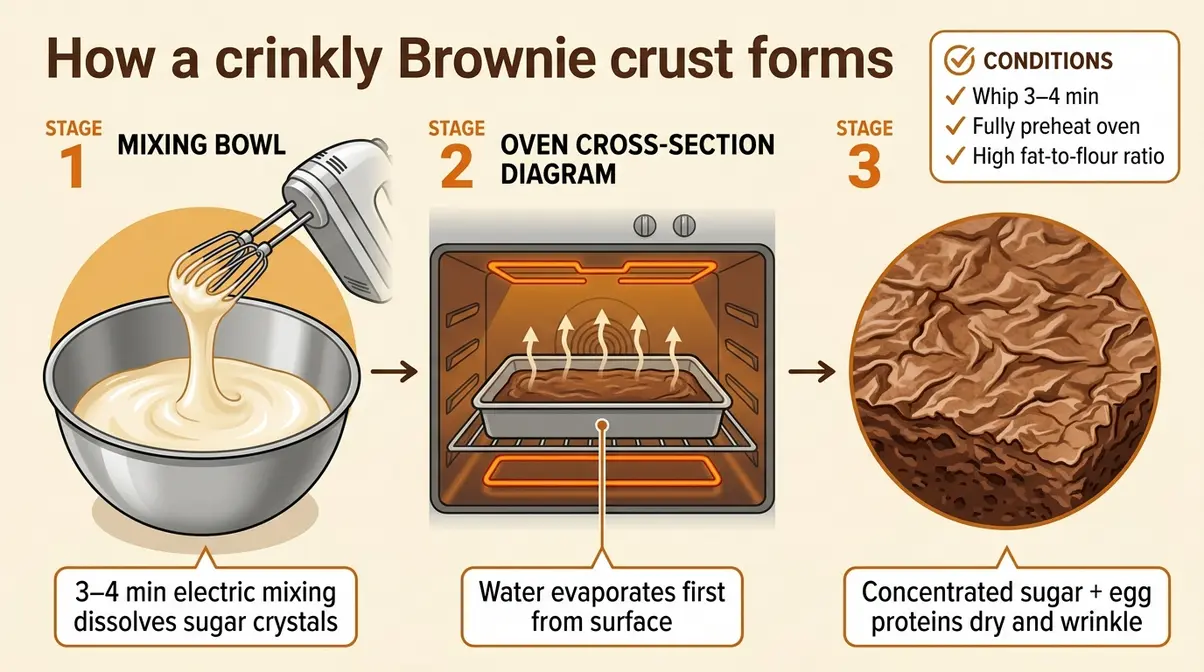
Why does this matter so much? The vigorous beating dissolves the sugar into the eggs and incorporates air. That dissolved sugar, when it hits the heat of the oven, migrates to the surface and forms the thin, crinkly, shiny crust that fans recognize from the Sunshine Vlog. Skip this step or under-whip, and you get flat, matte-topped brownies — still delicious, but missing the signature look.
Once the egg-sugar mixture reaches the ribbon stage, pour in the slightly cooled chocolate-butter mixture from Step 2. Fold gently with a rubber spatula until just combined — don’t use the electric mixer at this stage, as overmixing now will deflate the air you just worked to create.
Checkpoint ✓ Egg-sugar mixture is pale, thick, and at ribbon stage. Chocolate mixture has been gently folded in.
Step 5: Fold in the Flour and Chocolate Chips
Sift your all-purpose flour (100g / ¾ cup) and bread flour (20g / ~2½ tbsp) directly over the batter. Add a pinch of salt if you haven’t already incorporated it. Using a rubber spatula, fold the flour in with slow, deliberate strokes — scraping from the bottom of the bowl up and over the top.
The folding technique (rather than stirring) is important here. Vigorous stirring develops gluten aggressively, which would make the brownies tough rather than fudgy. Fold just until no dry white streaks of flour remain — this usually takes 15–20 gentle strokes. The batter will look thick, glossy, and slightly streaky with chocolate.
Once the flour is fully incorporated, fold in your chocolate chips (150g / ¾ cup). These melt partially during baking and create pockets of molten chocolate throughout the finished brownie — another detail that separates this recipe from a standard box mix.
Pour the batter into your prepared pan and spread it to the edges with your spatula. For an optional finishing touch, sprinkle a small amount of flaky sea salt over the top — it contrasts beautifully with the sweetness and amplifies the chocolate flavor in the same way espresso powder does.
Checkpoint ✓ Flour fully incorporated with no dry streaks. Chocolate chips folded in. Batter is in pan, spread evenly.
Step 6: Bake and Test for Doneness
Place the pan on the center rack of your preheated 180°C (356°F) oven. Bake for 20–25 minutes. The wide window is intentional — oven temperatures vary, pan materials conduct heat differently, and the difference between 20 and 25 minutes can mean the difference between fudgy and cakey. Start checking at the 18-minute mark.
5 Visual Doneness Cues
Fan consensus across SKZ baking communities and testing observations consistently identify overbaking as the #1 failure point with this recipe. Use these five cues — not just the timer — to know when to stop:
- The crinkly top has set. The surface should be dry, shiny, and slightly wrinkled — no wet, glossy patches. If it still looks wet and shiny like raw batter, it needs more time.
- The edges have pulled slightly from the pan. The sides of the brownie will visibly contract just a millimeter or two from the pan walls. This is a reliable sign the structure has set.
- The center jiggles but doesn’t slosh. Gently shake the pan. The center should wobble slightly — like a just-set gelatin — but should not ripple like liquid. If it sloshes, it’s underdone. If it doesn’t move at all, it may be overdone.
- A toothpick comes out with moist crumbs, not wet batter. Insert a toothpick into the center. Moist, fudgy crumbs clinging to it = done. Wet, shiny batter = needs more time. A completely clean toothpick = likely overdone for this recipe.
- The internal temperature reads 90–93°C (195–200°F). If you have an instant-read thermometer, this is the most reliable method. Below 90°C, the center is still raw. Above 95°C, the brownies will be cakey.
How to Test and What Comes Next
Once your brownies pass at least 3 of the 5 cues above, remove the pan from the oven. Do not cut immediately. This is one of the most common mistakes — the brownies continue to set as they cool, and cutting too early produces crumbly, structurally weak pieces. Allow the pan to cool on a wire rack for at least 45–60 minutes at room temperature before slicing.
For the cleanest cuts, refrigerate for 30 minutes after the initial cool-down, then use a sharp knife warmed under hot water and wiped dry between cuts.
Checkpoint ✓ Brownies show 3+ doneness cues. Pan is out of oven and cooling on wire rack. Do not cut for at least 45 minutes.
Troubleshooting Common Brownie Problems
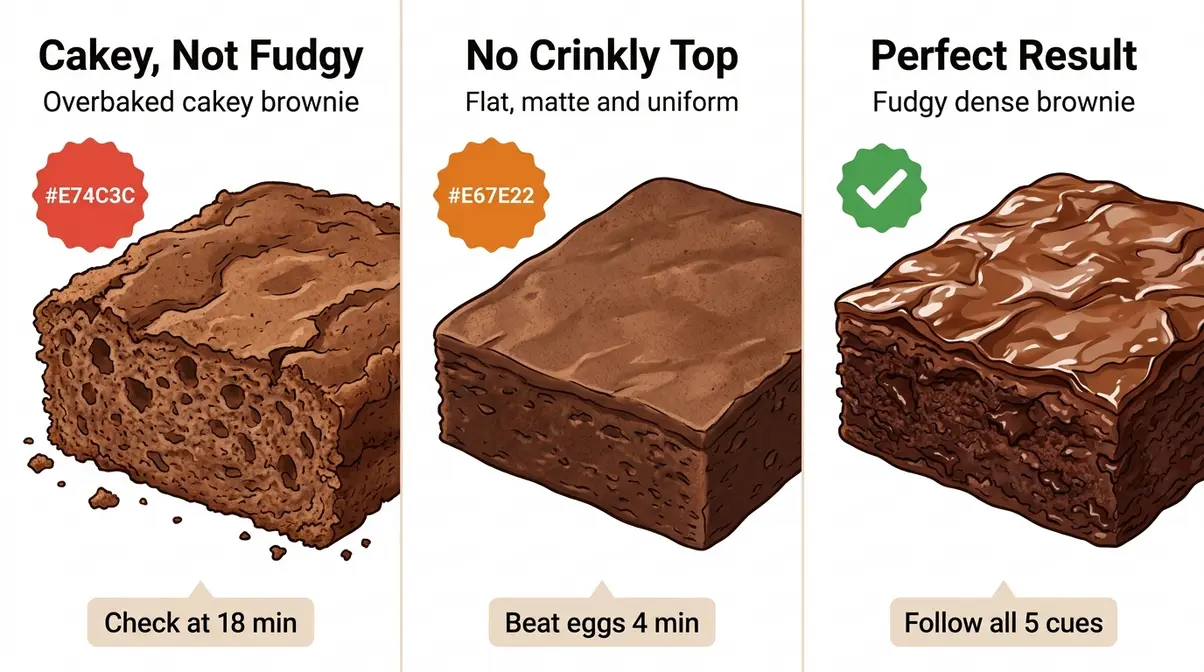
Even following the steps carefully, things can go sideways — especially on a first attempt. User consensus across SKZ baking forums and fan recreation threads identifies three problems that come up most often.
My Brownies Are Cakey, Not Fudgy
This is almost always caused by one of three things. First, overbaking: even 3–4 minutes too long at 180°C pushes the brownies past fudgy into cakey territory. Trust the visual cues in Step 6 over the timer. Second, too much flour: if you scooped your flour directly from the bag with the measuring cup (compacting it), you likely used 20–30% more flour than the recipe calls for. Always spoon flour into the measuring cup and level it off with a straight edge, or use a scale. Third, under-whipping the eggs: insufficient mixing in Step 4 means less air incorporation and a denser, more cakey final texture — counterintuitively, you need that air for fudginess.
No Crinkly Top
A flat, matte top is almost always a Step 4 problem. The crinkly crust forms when dissolved sugar migrates to the surface during baking — and that only happens when the eggs and sugar are whipped long enough to properly dissolve the sugar crystals. If your top came out flat, set a timer for 4 full minutes of beating next time and watch for the ribbon stage described in Step 4. Additionally, make sure your oven is fully preheated before the pan goes in — a cold oven start prevents the rapid surface set that creates the crinkle.
Common Mistakes at a Glance
| Mistake | What Goes Wrong | Fix |
|---|---|---|
| Cutting brownies while hot | Crumbly, structurally weak pieces | Wait 45–60 minutes minimum |
| Skipping the double-butter pan prep | Brownies stick; edges tear | Butter + parchment + butter, every time |
| Using ground coffee instead of espresso powder | Gritty texture, coffee flavor dominates | Use instant espresso powder only |
| Packed brown sugar scooped loosely | Less sweetness, drier texture | Press firmly into measuring cup |
| Chocolate overheated in Step 2 | Grainy, seized chocolate mixture | Use double boiler; remove from heat when smooth |
Pro Tips for Fudgy, Crinkly-Topped Brownies
These are the details that separate a good batch from a great one — the baking science behind The Sunshine Method that no fan-transcribed Carrd page includes. Each tip here is grounded in culinary research and community-tested observation. For even more comprehensive guidance, check out these tips for perfect Felix brownies.
The Science of Espresso Powder
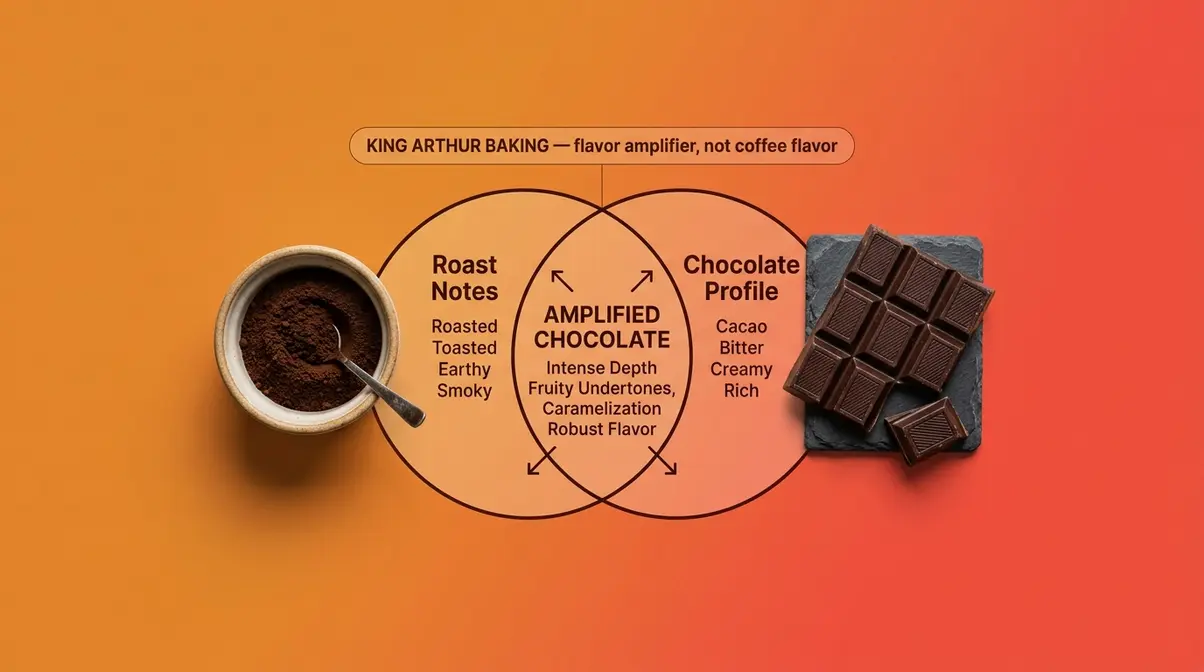
Espresso powder is the most misunderstood ingredient in this recipe. Many first-time bakers skip it, assuming it will make the brownies taste like coffee. It won’t — when used at 1 tablespoon, the espresso powder acts as a flavor amplifier rather than a flavor itself.
According to King Arthur Baking, “a pinch of espresso powder greatly enhances and intensifies the chocolate flavor in brownies, cakes, and more — without transitioning your treat to mocha-flavored” (King Arthur Baking, 2017, updated 2026). America’s Test Kitchen confirms the same finding: in side-by-side tests, a small amount of espresso powder “pumps up the chocolate flavor without making baked goods taste like a cup of joe” (America’s Test Kitchen, 2023). The mechanism is flavor pairing — espresso and chocolate share overlapping roasted, bitter, and fruity notes, so espresso highlights and amplifies what’s already in the cocoa rather than introducing a foreign flavor.
Practical tip: If you can’t find espresso powder, substitute 1 tablespoon of instant coffee granules dissolved in 1 teaspoon of hot water. Add it to the chocolate mixture in Step 2. The effect is similar, though slightly less intense.
Why Bread Flour Changes Everything
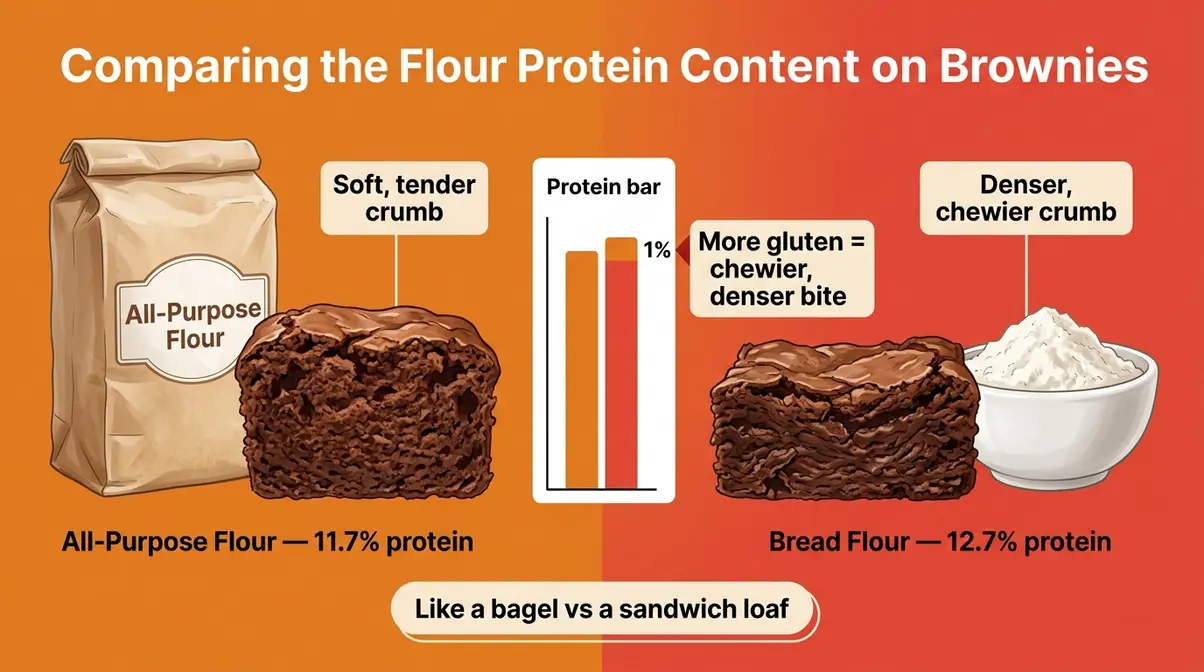
Bread flour’s higher protein content (12.7% vs. 11-11.7% for all-purpose, per King Arthur Baking, 2023) creates more gluten when mixed with liquid. In bread, that’s desirable for structure and chew. In brownies, a small addition — just 20g alongside 100g of all-purpose flour — creates a subtly chewy, dense bite that all-purpose flour alone cannot produce.
Think of it this way: all-purpose flour gives you the fudgy interior, while the bread flour provides the structural backbone that keeps the brownie from being too soft to hold its shape. Without it, the brownies are still good — but they lack that specific dense, almost chewy quality that fans describe when they compare Felix’s recipe to box-mix results.
Practical tip: If you don’t have bread flour, all-purpose flour works as a 1:1 substitute. The texture will be slightly less chewy, but the recipe will still produce fudgy, delicious brownies.
The Crinkly Crust Technique
The shiny, crinkly top is a chemical process, not luck. When you whip eggs and sugar together vigorously in Step 4, you dissolve the sugar crystals into the egg proteins. During baking, the water in the batter evaporates first from the surface, leaving a concentrated layer of sugar and egg proteins that dries and wrinkles into the characteristic crinkle.
Three conditions must be met for this to work: (1) the eggs and sugar must be whipped long enough to fully dissolve the sugar — at least 3–4 minutes with an electric mixer; (2) the oven must be fully preheated so the surface sets quickly; and (3) the fat-to-flour ratio must be high enough that the surface can form a thin, fragile crust. Felix’s recipe meets all three conditions — which is why the crinkle is reliable when the steps are followed correctly.
Practical tip: For an even more pronounced crinkle, refrigerate the batter for 30 minutes before baking. This allows the sugar to dissolve further and the fat to firm up slightly, which produces a more dramatic surface texture when baked.
Felix’s Cookies & Brownie Alternatives
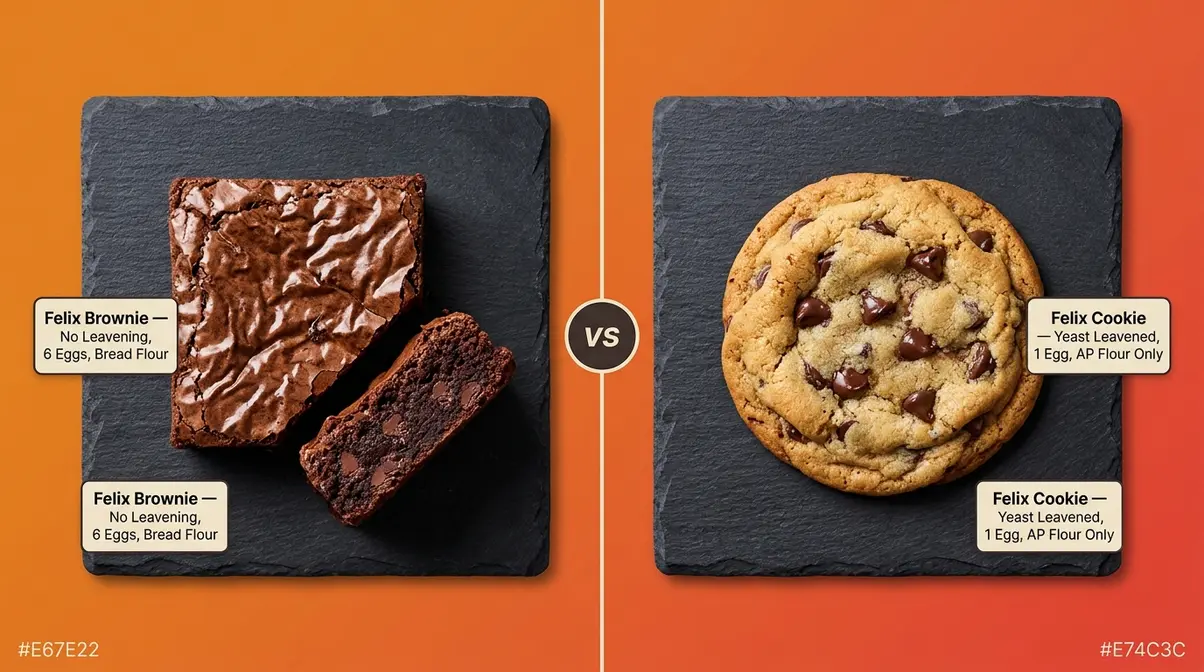
Felix’s baking appearances haven’t been limited to brownies. He’s also shared a cookie recipe — and understanding how the two recipes compare helps you decide which to tackle next, or how to adapt the brownie batter if you want to experiment.
Felix’s Cookie Recipe: What We Know
Felix has shared a cookie recipe in separate Stray Kids content, using a different set of ingredients and technique from the brownies. Based on fan reconstructions and video documentation from the SKZ community, the core cookie recipe includes the following:
| Ingredient | Grams | US Measure |
|---|---|---|
| All-purpose flour | 150g | 1¼ cups |
| Salt | Pinch | Pinch |
| Yeast (or baking powder) | ~2 tsp | 2 teaspoons |
| Unsalted butter | 85g | 6 tablespoons |
| Brown sugar | 40g | 3 tablespoons |
| White sugar | 45g | 3½ tablespoons |
| Vanilla extract | 1 tsp | 1 teaspoon |
| Egg | 1 large | 1 large |
| Chocolate chips | 100g | ½ cup |
| Powdered coffee / espresso | 1 tsp | 1 teaspoon |
The cookies are baked at 180°C (356°F) for approximately 12–15 minutes, until the edges are set but the centers still look slightly underdone — they firm up as they cool.
Comparing to Standard Brownies
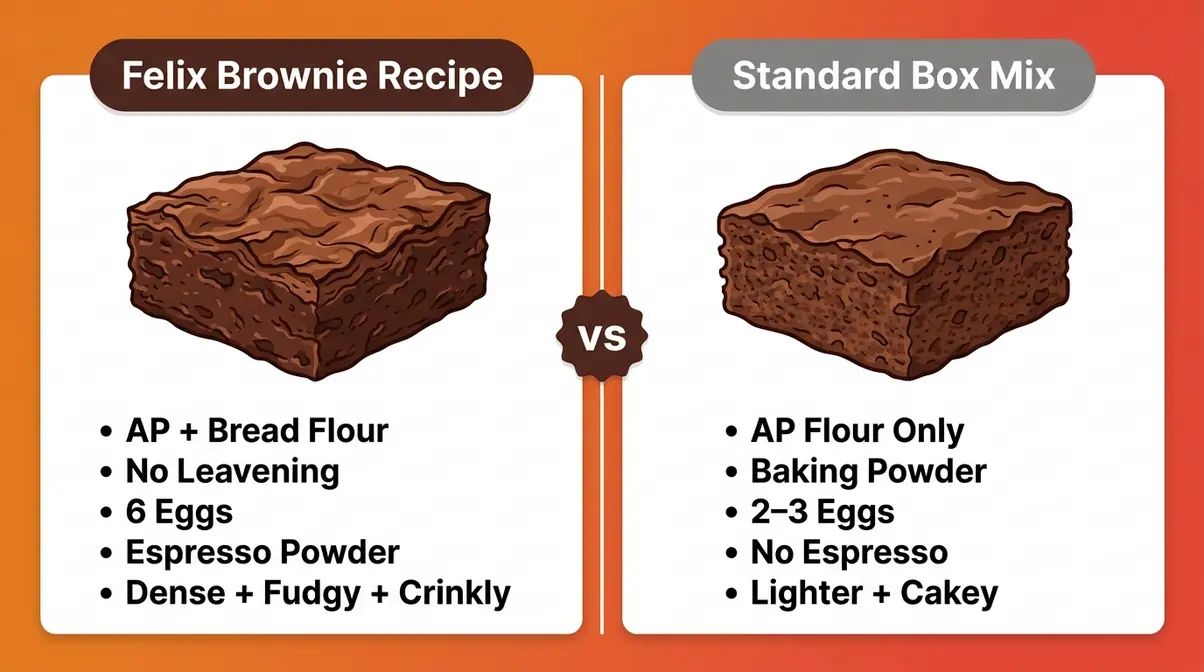
Understanding where Felix’s recipe sits in the broader brownie universe helps you make informed substitutions and troubleshoot with context. The table below compares the key structural differences:
| Feature | Felix’s Brownie Recipe | Standard Box Mix | Classic Scratch Recipe |
|---|---|---|---|
| Flour type | AP + bread flour blend | All-purpose only | All-purpose only |
| Leavening | None | Baking powder | Sometimes baking powder |
| Espresso powder | Yes (1 tbsp) | No | Rarely |
| Fat source | Butter + chocolate | Oil or butter | Butter |
| Eggs | 6 large (high ratio) | 2–3 | 2–3 |
| Texture result | Dense, fudgy, chewy | Lighter, more cakey | Varies widely |
| Crinkly top | Yes (with proper mixing) | Sometimes | Sometimes |
The most striking difference is the egg ratio. Six eggs in a single 8×8 pan is significantly higher than most brownie recipes, which typically call for 2–3. More eggs means more protein structure, more fat from yolks, and more of the dissolved-sugar interaction that creates the crinkly top. This is a key reason why Felix’s brownies are richer and denser than most homemade alternatives.
Cookie Notes and Substitutions
The cookie recipe uses yeast as a leavening agent — unusual for a drop cookie, and a detail that gives the cookies a slightly more complex, bread-like flavor than standard chocolate chip cookies. If yeast isn’t available, baking powder (½ teaspoon) is an acceptable substitute, though the texture will be slightly different.
For a gluten-free cookie version, the same 1:1 tapioca/rice flour blend used for the brownie adaptation works here. Reduce baking time by 2–3 minutes and watch closely, as gluten-free flour blends can brown faster.
Edible Brownie Batter Adaptation
Fan communities have experimented with heat-treating the brownie batter to create an edible raw version — essentially a brownie batter dip or truffle filling. The key adaptation is replacing the eggs with an equal weight of cream cheese or Greek yogurt (approximately 300g for 6 eggs), which provides similar moisture and richness without the food safety concerns of raw eggs. The raw flour must also be heat-treated: spread it on a baking sheet and bake at 165°C (325°F) for 5 minutes before using.
The result is a thick, intensely chocolatey batter that works as a dip for pretzels, a filling for chocolate truffles, or simply a spoonable dessert. User consensus on r/skzmedia rates this adaptation as a strong alternative when you want the Felix brownie flavor without the full baking process.
Frequently Asked Questions
What is Felix from Stray Kids’ brownie recipe?
Felix’s brownie recipe is a fudgy, crinkly-topped chocolate brownie made with dark chocolate, Dutch-process cocoa, espresso powder, and a blend of all-purpose and bread flour. It was first shared during a 2025 YouTube collaboration called the Sunshine Vlog, with content creator Haejoo. The recipe uses 6 eggs, 1¼ cups of butter, and no leavening agents — which is what produces its signature dense, rich texture. The full ingredient list with US cup conversions is in the table above. Fan communities on Reddit (r/skzmedia) consistently rate it as superior to most box-mix brownies.
What is Felix’s cookie recipe?
Felix’s cookie recipe uses all-purpose flour (150g / 1¼ cups), butter (85g / 6 tbsp), brown and white sugar, one egg, chocolate chips (100g / ½ cup), vanilla, salt, and espresso powder — with yeast or baking powder as a leavening agent. Bake at 180°C (356°F) for 12–15 minutes. The cookies are chewy, chocolate-chip style, and share the espresso powder depth that characterizes Felix’s brownie recipe. A full comparison table is in the Related Recipes section above.
What is the secret ingredient in Felix’s brownies?
The secret ingredient is espresso powder — 1 tablespoon added to the chocolate mixture. According to King Arthur Baking (2017, updated 2026), espresso powder intensifies chocolate flavor significantly without making brownies taste like coffee. It works as a flavor amplifier, highlighting the roasted and bitter notes already present in dark chocolate and Dutch-process cocoa. Many fans who skip it report that the brownies taste noticeably flatter and less complex. The second “secret” is the bread flour blend, which adds chewiness no all-purpose-only recipe can replicate.
Why does my Felix brownie come out cakey instead of fudgy?
Cakey brownies almost always result from overbaking or too much flour. The recipe bakes at 180°C for 20–25 minutes — start checking at 18 minutes and pull the pan when a toothpick comes out with moist crumbs (not wet batter). Measuring flour by scooping directly from the bag compacts it and can add 20–30% more than the recipe calls for; instead, spoon flour into the measuring cup and level it. Under-whipping the eggs in Step 4 can also contribute — aim for a full 3–4 minutes of beating until the mixture is pale and reaches the ribbon stage.
What is Felix from Stray Kids’ favorite dessert?
Based on fan-documented Stray Kids content and community reports, Felix has consistently expressed enthusiasm for brownies and chocolate-based desserts. His Sunshine Vlog baking sessions suggest a genuine personal interest in baking rather than a one-time promotional activity. However, no official statement from Felix or JYP Entertainment has confirmed a single “favorite dessert.” The brownie recipe in this guide represents the most documented and fan-verified baking recipe he has shared publicly.
What is Felix from Stray Kids diagnosed with?
This is a personal health question. Based on publicly available information, Lee Felix has not disclosed any medical diagnosis. Fan speculation about health matters is not factually supported and falls outside the scope of this baking guide. If Felix has shared health information in any official capacity, it would appear through Stray Kids’ official channels (Weverse, JYP Entertainment). This guide focuses on his brownie recipe and baking content.
Conclusion
For beginner bakers who are SKZ fans, Felix’s brownie recipe delivers a genuinely superior result — dense, fudgy, intensely chocolatey, and crowned with that iconic crinkly crust — when the 6 steps are followed with attention to the details that fan-made recipe pages leave out. The high egg ratio (6 eggs), the bread flour blend, and the espresso powder are not optional flourishes; they are the structural reasons the recipe works. Skip them, and you get a different brownie. Follow them, and you get the Sunshine Vlog result.
The Sunshine Method — combining Felix’s original vlog measurements with verified US cup conversions and baking science — exists precisely because the gap between “recipe transcribed from a vlog” and “recipe that works for a beginner” is wider than most fan sites acknowledge. Understanding why you whip eggs to ribbon stage, why you use bread flour, and why espresso powder belongs in a chocolate recipe turns a potentially frustrating first attempt into a reliable, repeatable success.
Your next step: gather your ingredients (the full conversion table is in the Ingredients section), preheat to 180°C, and start with Step 1’s double-butter pan prep. Give yourself 45 minutes of active baking time plus a full hour of cooling before you cut. If your first batch doesn’t come out perfect, the Troubleshooting section tells you exactly what went wrong and how to fix it next time. The recipe is worth it — and so is the second attempt.

Dave King
Recipe developer and writer at Quick Dish Cookbook.