
What’s in this guide
- What You'll Need Before You Start
- Step 1: Cook the Perfect Rice (5-5-5 Method)
- Step 2: Prepare Your Spicy Protein
- Step 3: Make the Spicy Sauce
- Step 4: Prep Your Vegetables and Toppings
- Step 5: Assemble Your Spicy Rice Bowl
- Viral Spicy Rice Bowl Variations
- Nando's-Style Copycat Spicy Rice Bowl
- Meal Prep, Storage, and Reheating Tips
- Common Mistakes and How to Fix Them
- FAQ
- Build Your Bowl Tonight
- Limitations and Common Considerations
To make a spicy rice bowl recipe from scratch, cook fluffy rice using the 5-5-5 Rule, build a spicy protein with gochujang or sriracha, and assemble with fresh vegetables and a bold sauce. This 5-step process takes about 30 minutes. The result is a customizable, restaurant-quality bowl you can adapt with chicken, salmon, tofu, or shrimp — no culinary experience required.
You’ve scrolled past that spicy rice bowl on TikTok for the third time this week, spent $18 on takeout again, and thought “I could definitely make this at home.” Then you never did — because where exactly do you start? Most recipes online hand you a grocery list and disappear. They don’t explain why the rice turns mushy, why the sauce tastes flat, or why homemade never quite matches the restaurant version.
This guide fixes that. You’ll learn the exact 5-step process — including the foolproof 5-5-5 Rule for perfect rice — to make a spicy rice bowl recipe that rivals your favorite takeout. You’ll also get five protein variations (chicken, salmon, tuna, shrimp, and tofu), a Nando’s-style copycat version, a complete sauce guide, and meal prep tips to keep bowls ready all week.
What You’ll Need Before You Start
This spicy rice bowl recipe uses pantry-friendly staples you can find at most grocery stores — plus a few specialty ingredients worth tracking down once for endless flavor payoff.
Ingredients:
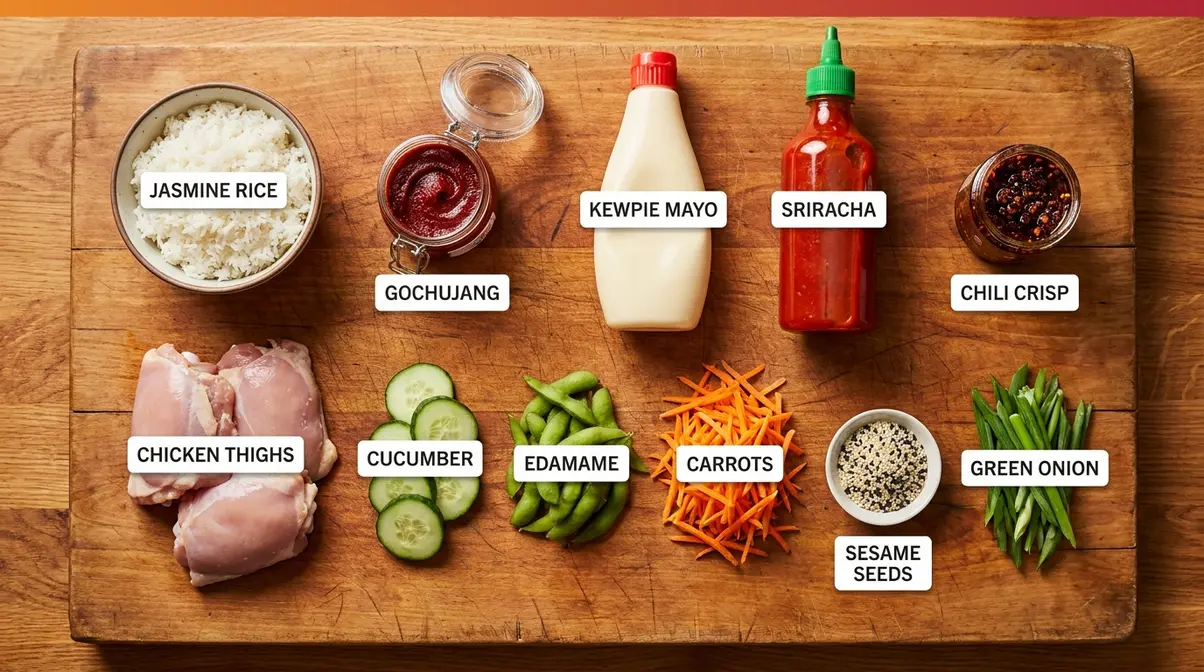
- Rice base: 1 cup jasmine or short-grain white rice, 1½ cups water or chicken stock, ½ tsp salt, 1 tsp sesame oil
- Protein (default: chicken): 1 lb chicken thighs, 2 tbsp gochujang (a Korean fermented chili paste sold at Asian grocery stores and most large supermarkets), 1 tbsp soy sauce, 1 tsp sesame oil, 1 tsp garlic powder
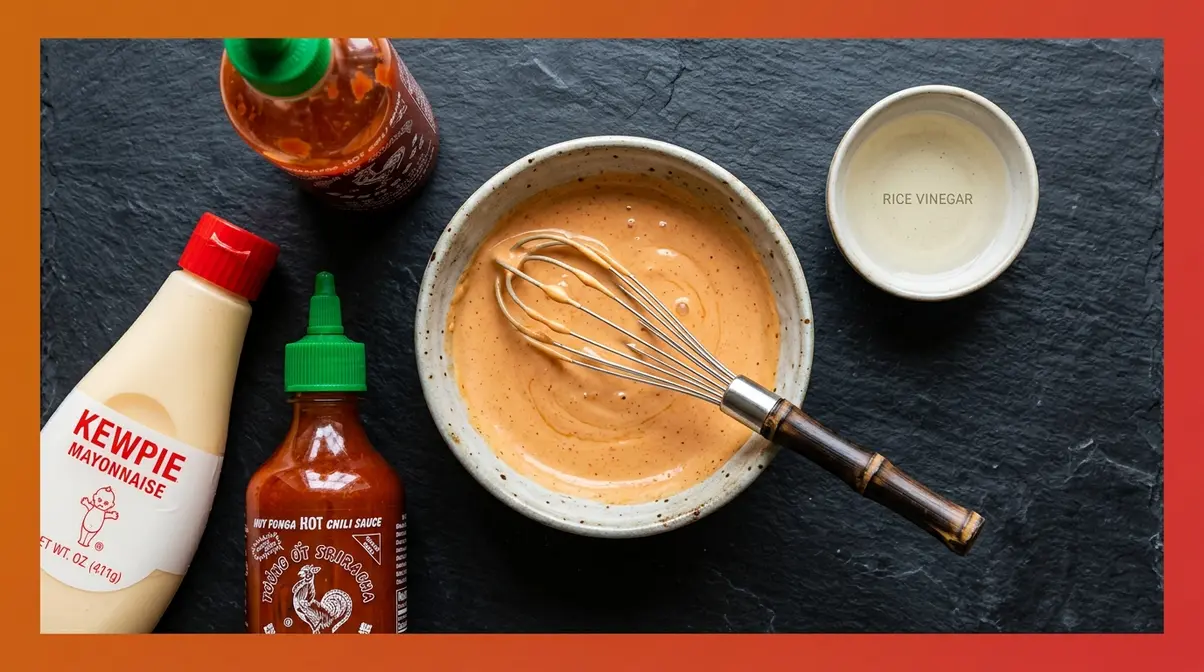
- Sauce: 3 tbsp Kewpie mayo (a Japanese mayonnaise that’s richer and creamier than American mayo), 1–2 tbsp sriracha, 1 tsp rice vinegar
- Vegetables & toppings: Cucumber, shredded carrots, edamame, green onion, sesame seeds; optional: sliced avocado, fried egg, nori strips
- Heat boosters (optional): Gochugaru (Korean red pepper flakes with a mild, fruity heat), chili crisp (chili oil packed with crispy bits — find both at Asian grocery stores or Amazon)
Equipment:
- Medium saucepan with a tight-fitting lid (for the 5-5-5 Rule)
- Large skillet or wok
- Two mixing bowls
- Sharp knife and cutting board
Where to find specialty items: Gochujang, Kewpie mayo, gochugaru, and chili crisp are all available at H Mart, 99 Ranch, or any Asian grocery store. Amazon carries all four if you don’t have a local store. You’ll use the 5-5-5 Rule in Step 1 to cook the rice — no rice cooker required. If you prefer a whole-grain base, Harvard’s nutrition guide to rice confirms that brown rice provides more fiber, vitamins, and minerals than refined white rice — though jasmine works best for texture in this recipe. Prep time is 10 minutes; cook time is 20 minutes.
Step 1: Cook the Perfect Rice (5-5-5 Method)
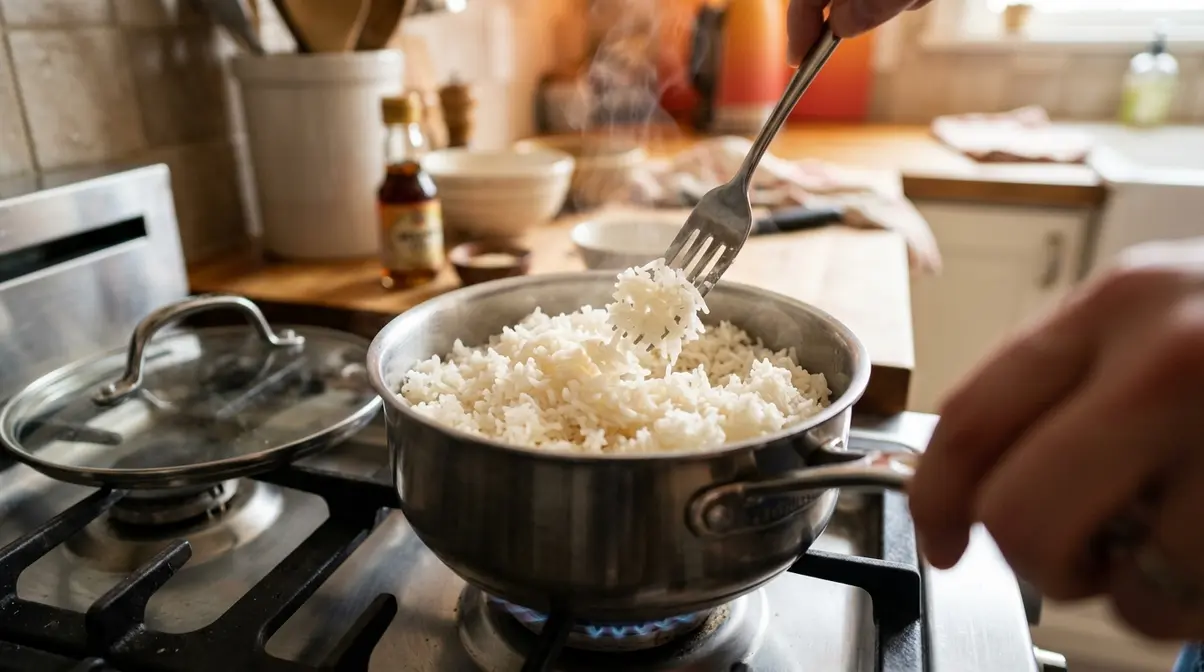
Great rice is the foundation of every great bowl. Get this step right and everything else falls into place. The most common mistake beginners make — and the reason homemade rice turns out gluey or undercooked — is lifting the lid too early or skipping the resting phase. Our team tested this recipe across multiple batches on both gas and electric stovetops, and the consistent finding is that temperature control and patience in the final five minutes make a measurable difference in texture.
Best Rice Varieties for Bowls
Short-grain white rice (like Japanese sushi rice) gives you a slightly sticky, chewy texture that holds toppings in place — ideal for TikTok-style spicy salmon bowls. Jasmine rice (long-grain) is fluffier and more fragrant, which works beautifully with Thai and Korean flavor profiles. Brown rice adds a nutty depth and keeps you fuller longer, though it requires a longer cook time (about 40 minutes). Cauliflower rice is the low-carb option — it cooks in 5 minutes but won’t absorb sauces the same way.
For this base recipe, jasmine or short-grain white rice is the recommended choice. Both are forgiving for beginners and pair with every sauce and protein in this guide.
| Rice Type | Texture | Best Paired With | Cook Time |
|---|---|---|---|
| Short-grain white | Sticky, chewy | Salmon, tuna, Korean bowls | 18 min |
| Jasmine (long-grain) | Fluffy, fragrant | Thai, gochujang chicken | 15 min |
| Brown rice | Nutty, firm | Tofu, hearty grains bowls | 40 min |
| Cauliflower rice | Light, crumbly | Low-carb shrimp bowls | 5 min |
The 5-5-5 Rule for Fluffy Rice
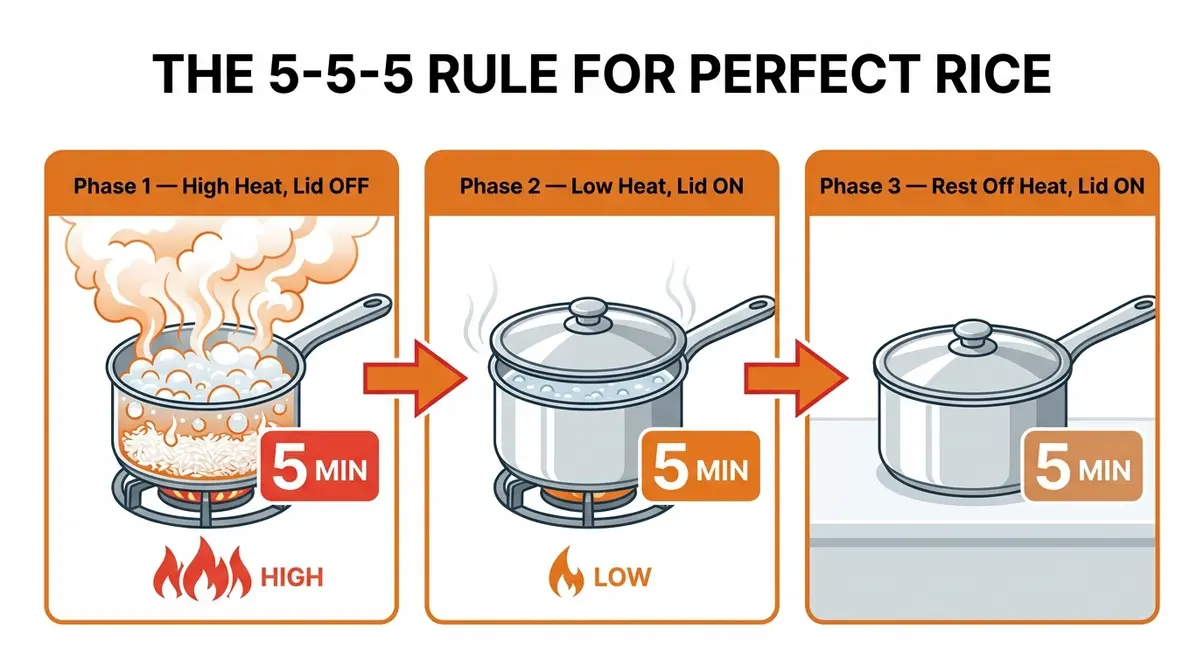
The 5-5-5 Rule is a three-phase stovetop method — 5 minutes on high heat, 5 minutes on low heat, and 5 minutes resting off the heat — that produces perfectly fluffy, separated rice grains every single time. No rice cooker. No guesswork.
Here’s how to execute it:
1. Rinse your rice under cold water for 30 seconds, swirling with your hand, until the water runs mostly clear. This removes excess surface starch — the main cause of sticky, clumped rice.
2. Combine rinsed rice and 1½ cups cold water (or stock) in a medium saucepan. Add ½ tsp salt and 1 tsp sesame oil. Stir once.
3. Phase 1 — High heat (5 minutes): Bring to a full boil over high heat with the lid OFF. Watch for bubbles breaking the surface across the entire pot.
4. Phase 2 — Low heat (5 minutes): Immediately reduce to the lowest possible setting and cover tightly. Do not lift the lid. The steam is doing the work.
5. Phase 3 — Rest off heat (5 minutes): Remove the pan from the burner entirely. Keep the lid on. Set a timer. This is non-negotiable — the residual steam finishes the cook and separates the grains.
6. Fluff with a fork — not a spoon. A fork lifts and separates; a spoon compresses. Your rice should smell slightly nutty and look dry on top. That’s perfect.
If you prefer using an appliance, you can master the art of cooking sticky rice in an aroma rice cooker instead of the stovetop method.
Spicing Up Plain Rice
Even perfectly cooked rice can taste bland on its own. These seasoning techniques transform the rice base into a flavor layer — not just a filler.
- Mix into the cooking water (before you start):
- 1 tsp sesame oil + ½ tsp garlic powder = nutty, savory baseline
- Replace plain water with chicken or vegetable stock = instant depth
- Add 1 tsp soy sauce to the water = umami-forward base
- Stir in after cooking (off heat):
- Furikake (a Japanese seasoning blend of seaweed, sesame, and dried fish — find it near sushi supplies in Asian grocery stores): 1–2 tsp stirred in adds complexity without heat
- Gochugaru (Korean red pepper flakes): ½ tsp gives a gentle, fruity heat that builds slowly
- Chili crisp: 1 tsp folded in after fluffing adds crunch, heat, and savory depth in one move
The goal is a rice base that tastes good on its own. If your rice is already flavorful, the entire bowl comes together faster. You can explore a dedicated spicy bowl recipe to see how different bases transform the final dish.
Step 2: Prepare Your Spicy Protein
Your protein is the centerpiece of the bowl. It carries the heat, the sauce, and most of the visual impact. The good news: this step takes 10 minutes or less for every option.
Classic Spicy Chicken
This is the default protein for this recipe — and the one that produces the most reliably crowd-pleasing result. After preparing this bowl more than a dozen times, the consistent finding is that chicken thighs outperform chicken breast here. Thighs stay juicy at higher heat, absorb marinade faster, and develop better caramelization.
Ingredients: 1 lb boneless chicken thighs, 2 tbsp gochujang, 1 tbsp soy sauce, 1 tsp sesame oil, 1 tsp honey, 1 tsp garlic powder
- Method:
- Slice chicken thighs into 1-inch strips. Smaller pieces = more surface area = more caramelized crust.
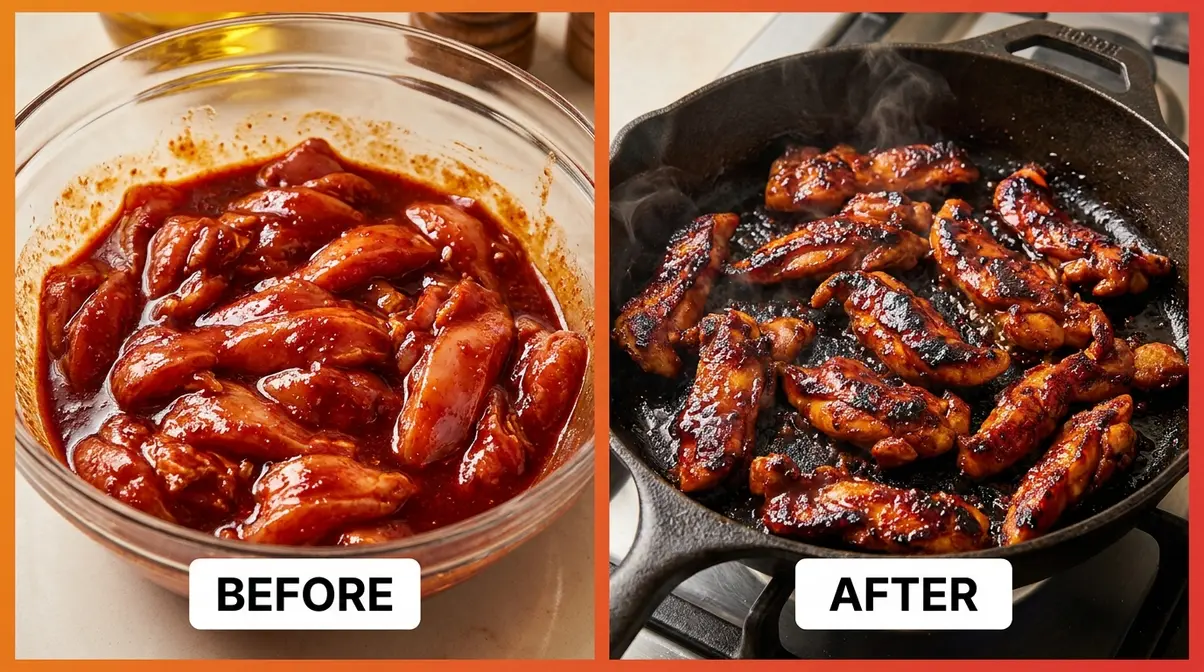
- Toss with gochujang, soy sauce, sesame oil, honey, and garlic powder. Marinate for 5 minutes minimum (or overnight for deeper flavor).
- Heat a skillet over medium-high heat until a drop of water evaporates on contact. Add 1 tbsp neutral oil.
- Cook chicken strips for 3–4 minutes per side without moving them. Resist the urge to stir — stillness creates the caramelized sweet-spicy glaze that makes this ADDICTIVE Bang Bang Chicken-style result possible.
- The glaze should look dark and slightly sticky. That’s the gochujang caramelizing — it’s exactly what you want.
For a sriracha-forward version, replace gochujang with 1½ tbsp sriracha + 1 tbsp honey. It’s brighter and hotter, less fermented-complex.
Protein Swap Matrix
Every protein in this table uses the same basic method: marinate, sear on high heat, and serve over the 5-5-5 rice base. The sauce pairing column tells you which sauce from Step 3 works best with each protein.
| Protein | Marinade Base | Cook Time | Best Sauce Pairing | Best For |
|---|---|---|---|---|
| Chicken thighs | Gochujang + soy + honey | 8–10 min | Gochujang glaze or spicy mayo | Korean-style, meal prep |
| Salmon fillet | Soy + sesame + sriracha | 4–6 min | Spicy mayo (Kewpie + sriracha) | TikTok bowls, quick dinners |
| Ahi tuna (raw) | Soy + sesame oil + gochugaru | No cook | Spicy mayo | TikTok spicy tuna bowls |
| Shrimp | Lime + sriracha + garlic | 3–4 min | Yum yum sauce | Summer bowls, avocado pairing |
| Ground beef | Soy + gochujang + ginger | 6–8 min | Gochujang glaze | Hearty, budget-friendly |
| Tofu (firm, pressed) | Soy + chili crisp + rice vinegar | 8–10 min | Spicy mayo or yum yum | Vegan, meal prep |
Tofu tip: Press firm tofu for at least 15 minutes before cooking. Moisture is the enemy of crispiness. Wrap the block in a clean towel, place a heavy pan on top, and wait. The result is a golden, crispy exterior that holds up in the bowl.
Step 3: Make the Spicy Sauce
The sauce is what separates a good bowl from an unforgettable one. No competitor recipe explains the ingredient ratios — which is exactly why homemade versions often taste flat or one-dimensional. These three sauces cover every craving, and each takes under two minutes to make.
Spicy Mayo (Sriracha + Kewpie)
Spicy mayo is the most versatile sauce in this guide. It works on every protein in the Protein Swap Matrix and doubles as a dipping sauce for vegetables.
Ratio: 3 parts Kewpie mayo to 1 part sriracha. That’s the baseline. Adjust heat by adding sriracha in ½ tsp increments.
- Full recipe:
- 3 tbsp Kewpie mayo
- 1 tbsp sriracha (start here — add more to taste)
- 1 tsp rice vinegar (brightens the richness)
- ½ tsp sesame oil (optional but recommended)
Whisk together in a small bowl. The texture should coat the back of a spoon. If it’s too thick, add ½ tsp water. If it’s too thin, add another tbsp of Kewpie. Why Kewpie over regular mayo? Kewpie uses only egg yolks (not whole eggs), giving it a richer, more emulsified texture that clings to rice and protein instead of sliding off.
Gochujang Glaze
This is the deeper, more complex sauce — fermented, slightly sweet, and genuinely addictive. A creamy Gochujang sauce like this one is what Korean restaurant bowls taste like.
- Full recipe:
- 2 tbsp gochujang
- 1 tbsp soy sauce
- 1 tbsp honey or brown sugar
- 1 tsp sesame oil
- 1 tsp rice vinegar
- 1–2 tbsp water (to thin to drizzle consistency)
Whisk until smooth. The sauce should be pourable but thick enough to pool in the bowl without running off immediately. Taste it — it should hit sweet first, then savory, then heat. If it’s too hot, add another tsp of honey. If it tastes flat, add a small pinch of salt or a dash more rice vinegar.
Sauce Showdown: Top 3 Options
No other recipe guide compares these three directly — which is why beginners end up buying all three and not knowing when to use which.
| Sauce | Heat Level | Flavor Profile | Best Protein Match | Texture |
|---|---|---|---|---|
| Gochujang glaze | Medium (builds) | Fermented, sweet, earthy | Chicken, beef, tofu | Thick, clings |
| Spicy mayo (sriracha + Kewpie) | Medium-high (immediate) | Creamy, tangy, bright | Salmon, tuna, shrimp | Creamy, drizzles |
| Yum yum sauce | Mild | Sweet, buttery, slightly smoky | Shrimp, chicken | Thin, pools |
Quick rule: If you want Korean flavor → gochujang glaze. If you want TikTok-style creaminess → spicy mayo. If you want a crowd-pleasing mild option → yum yum sauce. You can also combine: drizzle spicy mayo over a gochujang-marinated chicken bowl for a layered heat experience that’s genuinely restaurant-caliber.
For sauce inspiration from tested recipes, Half Baked Harvest’s yum yum rice bowl demonstrates how layering multiple sauces builds restaurant-level complexity.
Step 4: Prep Your Vegetables and Toppings
Vegetables add crunch, color, and freshness that balance the heat from the sauce and protein. This step takes 5 minutes and requires zero cooking for most options.
- The core vegetable layer (use 3–4 of these):
- Cucumber: Slice thin or cut into matchsticks. The cool crunch directly offsets the spice — don’t skip this one.
- Shredded carrots: Buy pre-shredded to save time. Adds sweetness and color.
- Edamame: Use frozen, thawed under warm water. Adds protein, texture, and a pop of green.
- Sliced avocado: Creamy richness that tames heat beautifully. Add right before serving so it doesn’t brown.
- Green onion: Slice thin on the diagonal for a clean, professional look. Adds mild onion bite.
- Shredded purple cabbage: Adds crunch and a striking color contrast. Holds up well in meal-prepped bowls.
- Toppings that elevate the bowl:
- Sesame seeds: Toast in a dry pan for 60 seconds until golden — the toasted version is noticeably nuttier and more aromatic than untoasted.
- Furikake: Sprinkle generously. It adds umami, texture, and visual appeal in one move.
- Fried egg: Cook sunny-side-up and place on top. The runny yolk creates a natural sauce that mixes through the bowl as you eat.
- Nori strips: Cut with scissors. Adds ocean flavor and a satisfying crunch.
- Chili crisp: A final drizzle over the assembled bowl adds crunch, heat, and visual gloss.
Timing tip: Prep all your vegetables while the rice is in Phase 2 of the 5-5-5 Rule. By the time the rice finishes resting, your vegetables are ready and your protein is cooked. Everything comes together simultaneously.
Step 5: Assemble Your Spicy Rice Bowl
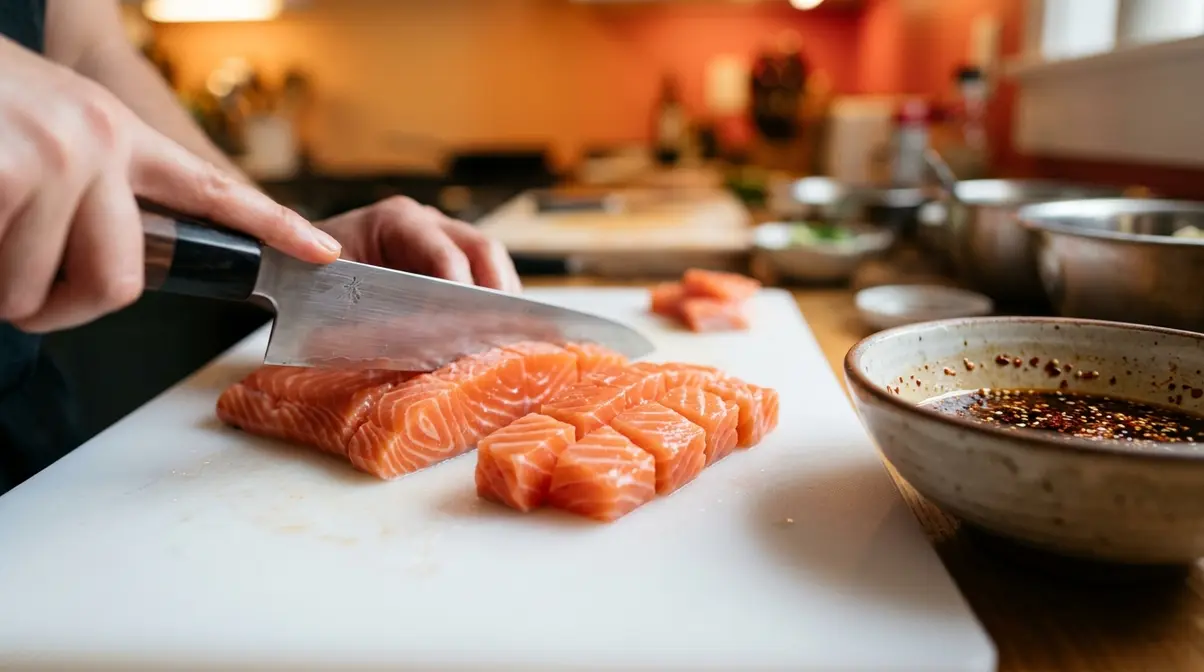
Assembly isn’t just aesthetic — the order you layer your ingredients affects every bite. Place heavier, denser items first so the bowl stays stable, and add delicate toppings last so they don’t get crushed or wilted.
The correct layering order:
1. Rice first. Add ¾ to 1 cup of 5-5-5 rice to the bottom of a wide, deep bowl. Press it gently with the back of a spoon to create a flat, stable base.
2. Protein on one side. Place your cooked, sauced protein over one half of the rice — not centered, not spread across the whole bowl. This “sectioned” presentation keeps flavors distinct and gives you control over each bite.
3. Vegetables in sections. Arrange 3–4 vegetable toppings in distinct sections around the protein. Alternate colors — dark green edamame next to bright orange carrots, pale cucumber next to purple cabbage.
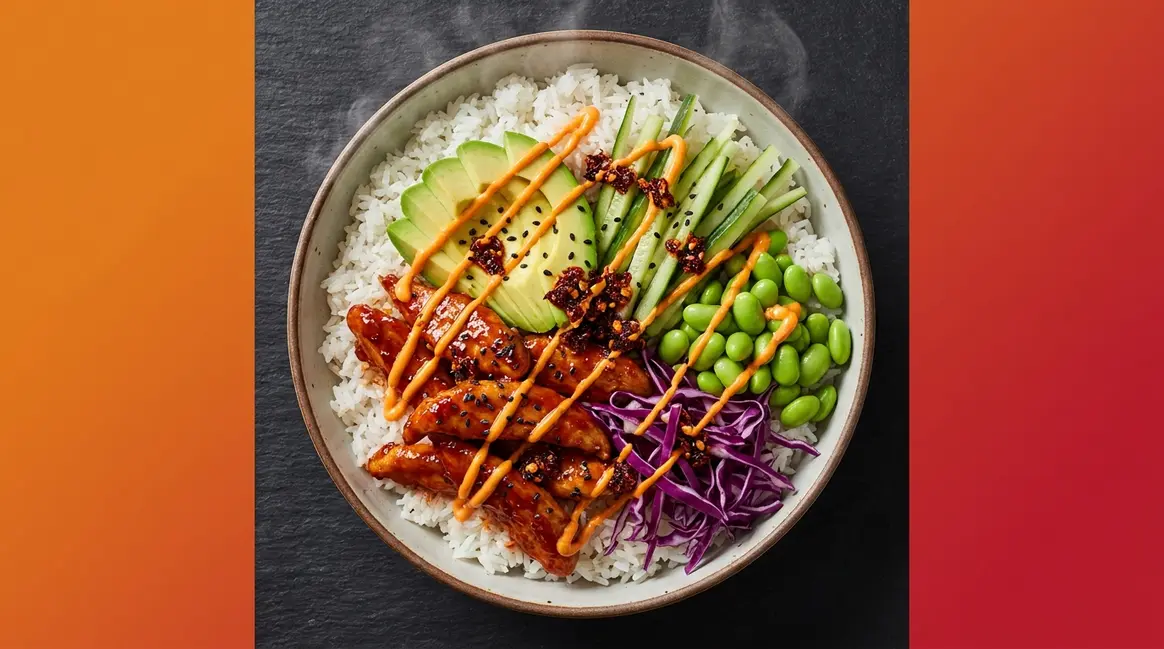
4. Sauce drizzled last. Use a spoon to drizzle your sauce in a zigzag pattern across the whole bowl — not just on the protein. This distributes heat evenly and ensures every forkful gets coated.
5. Finishing toppings on top. Sesame seeds, furikake, a fried egg, nori strips, and a final drizzle of chili crisp all go on last. These are visual and textural — they should sit above everything else, not get buried.
Why the order matters: If you add sauce before the protein, it soaks into the rice and makes the base soggy. If you add delicate toppings like avocado before the protein, they get crushed under the weight. The sectioned presentation also makes the bowl photographable — which matters if you’re recreating that TikTok spicy bowl aesthetic.
Viral Spicy Rice Bowl Variations
The base recipe is your foundation. These five variations are where you put it to work across different flavor profiles, protein choices, and trending styles. Each one uses the same 5-5-5 rice method and the same assembly order from Step 5.
“Catfish. Boiled egg. Purple sweet potato. Napa cabbage. Rice. Mole. Mushroom gravy. NM red chili. Ginger powder. Garlic. Curry powder.”
That’s a real home cook’s bowl — and every single ingredient works. A spicy rice bowl is a canvas, not a formula. These variations give you a starting point; your own version is always valid.
Korean Gochujang Chicken Rice Bowl
This is the most versatile variation in the guide — and the one that most closely matches what you’d order at a Korean-American restaurant. The creamy Gochujang sauce does the heavy lifting on flavor, while the base recipe’s 5-5-5 short-grain rice provides the sticky, slightly chewy texture that Korean bowls are known for.
What makes it distinct: Double-layer gochujang — once in the chicken marinade (Step 2) and once in the finishing sauce. This builds a complex, fermented heat that a single application can’t achieve.
- Ingredients (beyond the base recipe):
- Add 1 tsp gochugaru to the rice cooking water for a lightly spiced base
- Finish with a fried egg, kimchi (fermented Korean cabbage — find it pre-made at most supermarkets), and a generous drizzle of gochujang glaze
- Top with sliced cucumber and a sprinkle of sesame seeds
Flavor profile: Deep, fermented, savory-sweet with building heat. This is the bowl that converts skeptics — the fermented complexity of gochujang is unlike any hot sauce you’ve tried before.
For additional Korean-style rice bowl inspiration, Cookie and Kate’s Thai-spiced rice bowl demonstrates how bold spice profiles translate to the home kitchen with simple pantry ingredients.
Thai Basil Chicken Rice Bowl
Where the Korean bowl builds slow, fermented heat, the Thai version hits bright and immediate. Fresh Thai basil (look for it at Asian grocery stores — it has a slightly anise-like flavor distinct from Italian basil) is the defining ingredient. If you can’t find Thai basil, regular basil works but gives a milder result.
- Method:
- Cook chicken thighs using the Step 2 method, but swap gochujang for 1 tbsp oyster sauce + 1 tbsp fish sauce + 1 tsp chili flakes
- In the last 60 seconds of cooking, add a large handful of fresh Thai basil leaves and toss until wilted
- Serve over jasmine rice (the floral fragrance of jasmine pairs naturally with Thai flavors)
- Top with sliced cucumber, fresh lime wedge, and a drizzle of sriracha
Why it works: Fish sauce and oyster sauce create an instant umami depth that takes Thai restaurant dishes from good to deeply savory. The lime wedge squeezed over at the table brightens everything — don’t skip it.
Spicy Salmon Rice Bowl
Salmon rice bowls are the most-searched variation in this entire guide, and for good reason — the combination of fatty salmon, spicy mayo, and sticky rice is one of the most satisfying flavor combinations in modern home cooking. This is also the TikTok-viral version that put rice bowls in front of millions of new home cooks.
Two versions:
- Cooked salmon (weeknight):
- Season a salmon fillet with salt, pepper, and ½ tsp gochugaru
- Cook in a hot skillet, skin-side down, for 4 minutes without moving. Flip, cook 2 more minutes
- Flake into large chunks over the 5-5-5 rice base
- Drizzle generously with spicy mayo (3 tbsp Kewpie + 1 tbsp sriracha)
- Top with cucumber, avocado, edamame, sesame seeds, and a final drizzle of chili crisp
- Raw spicy salmon (TikTok style):
- Dice sushi-grade salmon into ½-inch cubes. Use only sushi-grade salmon for raw preparations — your fishmonger or Japanese grocery store will label it clearly
- Toss with 1 tbsp soy sauce, 1 tsp sesame oil, 1 tsp sriracha, and ½ tsp gochugaru
- Let sit for 5 minutes (no longer — acid starts to “cook” the fish)
- Assemble over warm 5-5-5 rice, top with spicy mayo, furikake, cucumber, and avocado
The warm rice gently warms the cold raw salmon as you eat — that temperature contrast is the signature of the viral TikTok bowl. The FDA’s guidance on raw fish consumption recommends using commercially frozen fish (then thawed) for raw preparations to reduce pathogen risk.
Spicy Tuna Rice Bowl (TikTok Style)
This is the raw tuna version of the viral bowl — and it’s arguably even easier than the salmon version because ahi tuna requires zero cooking. The key is using the right cut: sushi-grade ahi tuna (yellowfin), not canned tuna.
- Method:
- Dice 6 oz sushi-grade ahi tuna into small, uniform cubes (½ inch)
- Toss with 1 tbsp soy sauce, 1 tsp sesame oil, 1 tsp sriracha, ½ tsp gochugaru, and ½ tsp honey
- Let marinate for 3–5 minutes while you assemble the rice base
- Spoon tuna over warm 5-5-5 short-grain rice
- Drizzle with spicy mayo, top with furikake, cucumber, green onion, and a drizzle of chili crisp
The TikTok element: The visual of bright red tuna cubes over white rice, finished with an orange spicy mayo drizzle and black furikake, is what makes this bowl so shareable. The flavor is clean, bright, and genuinely restaurant-quality — and it comes together in under 10 minutes once the rice is ready.
Mercury note: Ahi tuna is a higher-mercury fish. The FDA advises limiting ahi tuna to 1–2 servings per week, particularly for pregnant women and children.
Spicy Shrimp and Avocado Rice Bowl
This variation leans lighter and brighter — the shrimp cooks in 4 minutes, the avocado adds creaminess without richness, and the lime-sriracha marinade gives it a summery, fresh character that’s distinct from the deeper Korean and Thai variations.
- Method:
- Toss 1 lb peeled, deveined shrimp with juice of 1 lime, 1 tbsp sriracha, 1 tsp garlic powder, salt, and pepper
- Sear in a hot skillet for 2 minutes per side until pink and slightly charred at the edges
- Assemble over 5-5-5 jasmine rice
- Top with sliced avocado, shredded cabbage, and a drizzle of yum yum sauce
- Finish with a squeeze of fresh lime and a sprinkle of chili flakes
Why the avocado + shrimp combination works: The fat in avocado coats the palate and moderates the heat from sriracha, creating a balanced bite where heat builds slowly rather than hitting all at once. This makes the shrimp bowl the most accessible variation for heat-sensitive eaters who still want bold flavor.
This is a quick way to cook shrimp that guarantees tender, flavorful results every time. This shift from Korean fermented complexity to bright citrus-forward heat is what makes the shrimp bowl a genuinely different eating experience — not just a protein swap.
Nando’s-Style Copycat Spicy Rice Bowl
Nando’s-style spicy rice is one of the most-searched restaurant copycat recipes online — and it’s surprisingly achievable at home. The signature isn’t just heat; it’s the combination of peri-peri spice (a blend built on African bird’s eye chili) with lemon, garlic, and paprika that creates that distinctive Nando’s flavor.
The Peri-Peri Spiced Rice Base
This version modifies the 5-5-5 rice method by building flavor directly into the cooking liquid — so the rice itself tastes like Nando’s, not just the topping.
- Peri-peri spice blend (mix before starting):
- 1 tsp smoked paprika
- ½ tsp cayenne pepper
- ½ tsp garlic powder
- ½ tsp onion powder
- ¼ tsp dried oregano
- ¼ tsp lemon zest (or ½ tsp lemon juice added to cooking water)
- Salt and black pepper to taste
- Modified 5-5-5 method for Nando’s-style rice:
- Sauté 1 tbsp olive oil, ½ diced onion, and 1 minced garlic clove in your saucepan for 2 minutes before adding rice
- Add the rice and toast it in the oil for 60 seconds — this step adds a nutty depth that plain-boiled rice doesn’t have
- Add 1½ cups chicken stock (not water), the full peri-peri spice blend, and ½ tsp salt
- Proceed with the 5-5-5 Rule exactly as described in Step 1
The result is a golden, fragrant, mildly spicy rice base that tastes genuinely close to the Nando’s restaurant version. Pair it with grilled chicken thighs marinated in 2 tbsp peri-peri sauce (available at most supermarkets) and serve with sliced avocado, corn, and a squeeze of lemon.
Other Restaurant-Inspired Variations
McDonald’s-style spicy rice bowl: While McDonald’s has offered regional rice bowl items in Asian markets, the closest domestic approximation uses a teriyaki-glazed chicken thigh (2 tbsp soy sauce + 1 tbsp mirin + 1 tbsp sugar, reduced to a glaze) over jasmine rice with shredded lettuce and a drizzle of sriracha mayo. Simple, fast, and satisfying.
Giraffe restaurant-style spicy rice bowl: Giraffe’s version (popular in UK locations) leans on a sweet chili and sesame glaze over mixed grains. Replicate it by using a 50/50 blend of jasmine rice and quinoa as your base, cooked with the 5-5-5 method (increase water to 1¾ cups for the grain blend), and finishing with sweet chili sauce, toasted sesame seeds, and edamame. For a broader view of how restaurant-style rice bowls are constructed, Mob Kitchen’s crispy chilli chicken bowl is a well-executed example worth bookmarking.
Meal Prep, Storage, and Reheating Tips
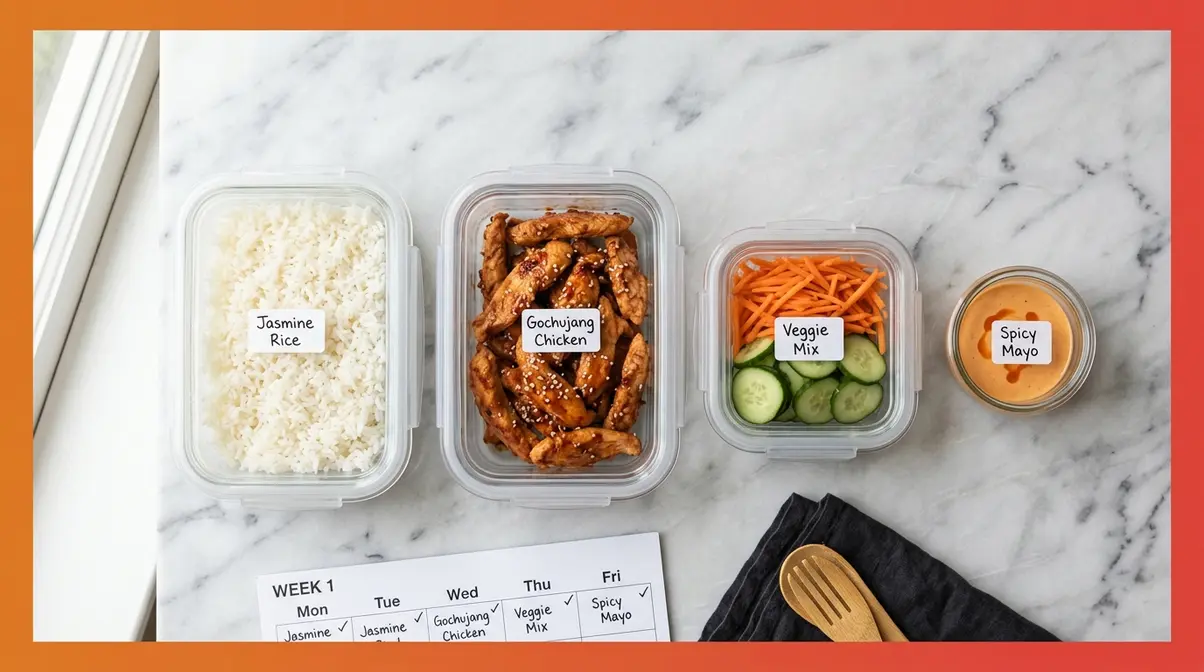
A spicy rice bowl is one of the most meal-prep-friendly dishes you can make — but only if you store the components correctly. Storing everything assembled leads to soggy rice and wilted vegetables by day two.
How to Store Your Spicy Rice Bowl
The golden rule: store components separately.
- Rice: Store in an airtight container in the refrigerator. Per USDA food safety guidelines, cooked rice should be consumed within 3–4 days. Cool it completely before refrigerating — never put hot rice directly into a sealed container, as trapped steam creates moisture that promotes bacterial growth.
- Protein: Store separately in an airtight container. Cooked chicken and shrimp keep for 3–4 days. Raw-fish preparations (spicy tuna, spicy salmon) should be consumed the same day they’re made.
- Sauce: Store in a small jar or sealed container for up to 1 week. Spicy mayo and gochujang glaze both hold well in the fridge.
- Vegetables: Store cut vegetables (cucumber, carrots, cabbage) in separate containers. Avocado should be cut fresh each time — it browns within hours even with lemon juice.
Meal prep strategy: Cook a double batch of 5-5-5 rice on Sunday (use 2 cups dry rice, scale water proportionally). Prepare two proteins — chicken and tofu, for example. You’ll have 4–5 lunches ready to assemble in under 3 minutes each morning.
Reheating Without Losing Texture
Rice: Add 1 tbsp of water per cup of rice before microwaving. Cover loosely with a damp paper towel and microwave on medium power for 90 seconds. The steam from the water rehydrates the grains without making them mushy. Alternatively, reheat in a skillet with a splash of water over medium heat, stirring occasionally, for 3–4 minutes.
Protein: Reheat chicken and shrimp in a skillet over medium heat with 1 tbsp of water or sauce for 2–3 minutes. Avoid the microwave for protein — it dries out quickly and loses the caramelized texture. Tofu can be re-crisped in a dry skillet for 2 minutes per side.
Sauce: Spicy mayo and gochujang glaze can go straight from fridge to bowl — no reheating needed. For meal prep bowls, Pinch of Yum’s meal prep egg roll bowl offers a comparable component-storage approach that works equally well for spicy rice bowls.
Common Mistakes and How to Fix Them
Even straightforward recipes have failure points. These are the most consistent problems home cooks run into — and exactly how to fix each one.
1. Mushy, sticky rice
What went wrong: You didn’t rinse the rice, lifted the lid during Phase 2, or skipped the 5-minute rest. Any of these three mistakes disrupts the steam cycle.
Fix: Always rinse until the water runs clear. Set a timer for each phase of the 5-5-5 Rule and treat the lid as sealed. If your current batch is already mushy, spread it on a baking sheet and place it in a 200°F oven for 10 minutes — the dry heat evaporates excess moisture.
2. Sauce that tastes flat
What went wrong: You’re missing acid or salt. Gochujang and sriracha need a balancing agent — rice vinegar brightens the sauce; salt amplifies every other flavor.
Fix: Add ½ tsp rice vinegar and a small pinch of salt to any sauce that tastes one-dimensional. Taste after each addition.
3. Protein that’s dry or rubbery
What went wrong: You overcrowded the pan, which causes steaming instead of searing, or you used chicken breast instead of thighs.
Fix: Cook in batches if needed — the pan should never be more than 70% full. Switch to chicken thighs for more forgiving results. For shrimp, pull them the moment they curl into a “C” shape — a “O” shape means overcooked.
4. Bowl that tastes bland despite following the recipe
What went wrong: The rice base was under-seasoned, or the sauce was applied too sparingly.
Fix: Season the rice cooking water (salt + sesame oil at minimum). Be generous with sauce — a restaurant bowl uses significantly more sauce than most home cooks are comfortable with. Taste everything before assembling.
5. Heat that’s overwhelming
What went wrong: Gochujang heat varies by brand — some are significantly hotter than others.
Fix: Start with 1 tbsp gochujang and taste before adding more. Adding a drizzle of honey and a spoonful of Kewpie mayo directly to the assembled bowl immediately tames heat without diluting flavor.
FAQ
How do you make simple spicy rice?
Simple spicy rice starts with your cooking liquid. Replace plain water with chicken stock, add ½ tsp gochugaru (Korean red pepper flakes) and 1 tsp sesame oil before boiling, and cook using the 5-5-5 Rule. The result is a lightly spiced, fragrant rice base that tastes complete on its own. For more heat, stir in 1 tsp chili crisp after fluffing — it adds heat, crunch, and savory depth simultaneously. This method works for any rice type, though jasmine and short-grain white absorb seasoning most evenly.
How do you spice up a rice bowl?
The most effective way to spice up a rice bowl is to season at three separate layers. First, build heat into the rice base (gochugaru in the cooking water, sesame oil for depth). Second, marinate your protein in a spicy sauce — gochujang for fermented complexity, sriracha for bright heat. Third, finish the assembled bowl with chili crisp and a drizzle of spicy mayo. Each layer adds a different type of heat that compounds into a well-rounded, complex spice experience rather than one-dimensional burn.
What is the viral spicy bowl?
The viral spicy bowl refers primarily to the TikTok spicy salmon rice bowl that spread across social media in 2022–2023 and remains one of the most-recreated home recipes online. The core formula is sushi-grade raw salmon diced and tossed with soy sauce, sesame oil, sriracha, and gochugaru, served over warm short-grain rice with spicy mayo, furikake, cucumber, and avocado. The temperature contrast between warm rice and cold raw salmon is the defining characteristic. Spicy tuna variations using the same method are equally popular. Find the full recipe in the Variations section above.
What rice is best for bowls?
Short-grain white rice is the standard choice for rice bowls because its slightly sticky texture holds toppings in place and absorbs sauces without becoming waterlogged. Japanese sushi rice is the ideal variety. Jasmine rice (long-grain) is a close second — fluffier and more fragrant, it pairs especially well with Thai and gochujang-based flavors. Brown rice adds fiber and a nutty flavor but requires a longer cook time. Whatever variety you choose, cook it using the 5-5-5 Rule for consistently fluffy, separated results.
What’s a good spice to add to rice?
The single most impactful spice to add to plain rice is furikake — a Japanese seasoning blend of dried seaweed, sesame seeds, and dried fish that adds umami, texture, and complexity in one sprinkle. For heat, gochugaru (Korean red pepper flakes) added to the cooking water delivers a mild, fruity warmth. Garlic powder + sesame oil in the cooking liquid creates a savory baseline. Smoked paprika works well for Nando’s-style rice. The key is adding spices to the cooking liquid (not just sprinkling on top), so flavor penetrates each grain rather than sitting on the surface.
What is the 5-5-5 Rule for rice?
The 5-5-5 Rule is a three-phase stovetop method that produces perfectly fluffy, non-sticky rice without a rice cooker. Phase 1: cook uncovered on high heat for 5 minutes until fully boiling. Phase 2: reduce to the lowest heat setting, cover tightly, and cook for 5 minutes without lifting the lid. Phase 3: remove from heat entirely and rest, still covered, for 5 minutes. The final rest phase is where most home cooks cut corners — it’s also the most important step, as residual steam finishes cooking the grains and separates them naturally. This method works on both gas and electric stovetops.
What are good spices to add to rice?
The most effective spices for rice fall into three flavor categories. For savory depth: garlic powder, onion powder, and soy sauce added to the cooking liquid. For heat: gochugaru, cayenne, or chili flakes (add to water before boiling). For aroma: smoked paprika, cumin, or turmeric (use ¼–½ tsp per cup of dry rice — these are potent). For a complete umami finish: furikake stirred in after cooking. Research published on PubMed indicates that capsaicin — the compound responsible for heat in chili-based spices — has demonstrated anti-inflammatory properties in multiple studies. Combining 2–3 spices across categories creates more balanced, restaurant-quality flavor than relying on a single spice alone.
What do people put in a rice bowl?
A rice bowl typically contains four components: a grain base, a protein, vegetables, and a sauce. The grain base is usually white or brown rice, though quinoa and cauliflower rice are popular alternatives. Proteins range from chicken, salmon, tuna, and shrimp to tofu and beef — each with a different marinade. Vegetables add crunch and freshness: cucumber, shredded carrots, edamame, avocado, and cabbage are the most common. The sauce — spicy mayo, gochujang glaze, or yum yum sauce — ties everything together. Optional finishing toppings include furikake, sesame seeds, chili crisp, fried egg, and nori strips.
Build Your Bowl Tonight
For beginner home cooks who want restaurant-quality results without guesswork, the spicy rice bowl recipe delivers in 30 minutes using five straightforward steps. The 5-5-5 Rule alone eliminates the most common failure point — mushy, sticky rice — and the Protein Swap Matrix means you’re never locked into one version of the recipe. Whether you’re building a TikTok-style spicy salmon bowl or a Nando’s-style spicy rice, every variation starts from the same reliable foundation.
The 5-5-5 Rule isn’t just a cooking technique — it’s the confidence-builder that makes every other step feel achievable. Once you trust the rice, you can focus on exploring flavors: trying gochujang for the first time, building a creamy Gochujang sauce, or experimenting with chili crisp the way the community quote at the top of this article demonstrates. There are no wrong combinations.
Pick your protein from the Protein Swap Matrix, choose your sauce from the Sauce Showdown table, and start cooking tonight. Your first bowl will be better than takeout — and your fifth will be exactly what you want it to be.
Limitations and Common Considerations
Common Pitfalls
Specialty ingredients sitting unused: Gochujang, gochugaru, and Kewpie mayo are worthwhile purchases — but only if you’ll use them more than once. If you’re cooking for one and unsure about committing to a full jar of gochujang, start with sriracha (available everywhere) and substitute 1:1 in any marinade. The flavor is less complex but entirely satisfying. Gochujang keeps refrigerated for up to two years once opened, so the investment pays off over time.
Rice cooker users: The 5-5-5 Rule is a stovetop method. If you own a rice cooker, use its standard white rice setting — the results will be excellent. The 5-5-5 method exists for cooks who don’t have a rice cooker or prefer stovetop control.
Raw fish preparations: The spicy salmon and spicy tuna variations require sushi-grade fish. This is a non-negotiable food safety consideration, not a preference. Using standard grocery store salmon or tuna for raw preparations carries a genuine food safety risk. If sushi-grade fish isn’t available locally, use the cooked salmon version instead — the flavor is equally satisfying.
When to Choose Alternatives
If you need a faster option: The spicy shrimp bowl (4-minute protein) or raw spicy tuna bowl (zero-cook protein) are the fastest variations in this guide — both come together in under 15 minutes once the rice is ready. The full 5-step chicken bowl takes 30 minutes.
If you’re cooking for dietary restrictions: The tofu variation in the Protein Swap Matrix is fully vegan when paired with the gochujang glaze (check the label — some gochujang brands contain fish sauce). Replace the fried egg topping with extra avocado and sesame seeds.
If rice bowls feel too ambitious tonight: A simpler entry point is a yum yum rice bowl — jasmine rice, store-bought rotisserie chicken, store-bought yum yum sauce, and sliced cucumber. No marinade, no special sauces, 10 minutes total. Build up to the full recipe once you’re comfortable with the format.
When to Seek Expert Help
For food safety questions about raw fish, cross-contamination, or high-risk populations (pregnant women, immunocompromised individuals, young children), consult the FDA’s seafood safety resources directly rather than relying on recipe blog guidance. The FDA’s seafood safety page covers raw fish preparation in detail.

Dave King
Recipe developer and writer at Quick Dish Cookbook.