French Roast Coffee Recipe: Bold, Smooth & Bitterness-Free

July 17, 2026

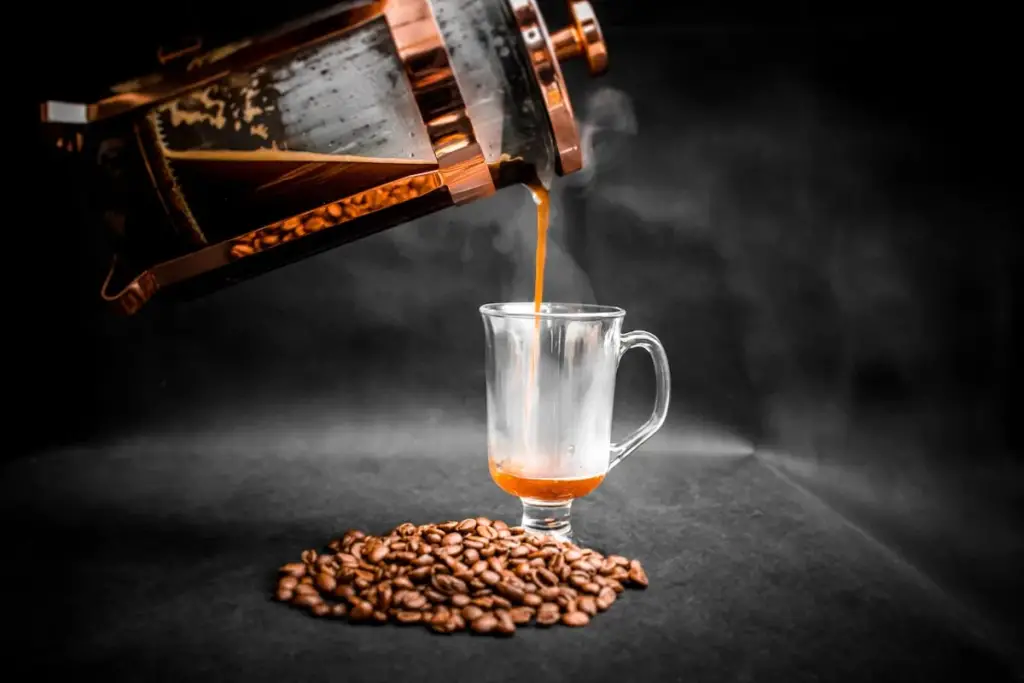
French roast coffee recipe setup with French press, gooseneck kettle, and freshly brewed dark coffee

Your French roast tastes bitter and ashy — and you followed the recipe exactly. That’s the problem: the recipe you followed was wrong for French roast specifically.

“After reading them I did order a cheaper glass French press and a pour over — both being delivered today in time for my vancamping trip this weekend.”

Most brewing guides recommend near-boiling water for French press. That’s solid advice for lighter roasts — but it scorches dark-roast beans, pulling out harsh, acrid compounds and turning your cup into an ashtray. The fix isn’t better beans. It’s lower water temperature, the right grind size, and precise steep time.

By the end of this guide, you’ll have a precise, science-backed french roast coffee recipe that produces a bold, smooth cup — no bitterness, no guesswork. You’ll understand what French roast actually is, gather exactly what you need, follow a numbered step-by-step recipe, troubleshoot common mistakes, and explore two crowd-favorite variations: Vietnamese-style and a Starbucks-inspired dark roast at home.

Key Takeaways: French Roast Coffee Recipe

The perfect french roast coffee recipe uses a 1:15 coffee-to-water ratio, 185-195°F water, and a coarse grind — not boiling water, which scorches dark beans and causes bitterness.

  • Water temperature: 185-195°F (lower than standard — critical for dark roasts)
  • Coffee-to-water ratio: 1:15 (e.g., 30g coffee to 450ml water)
  • Grind size: Coarse — like sea salt, not sand
  • Steep time: 4 minutes exactly — any longer causes over-extraction
  • The Bitterness Triangle: Three variables control bitterness — temperature, grind, and steep time

What Is French Roast Coffee?

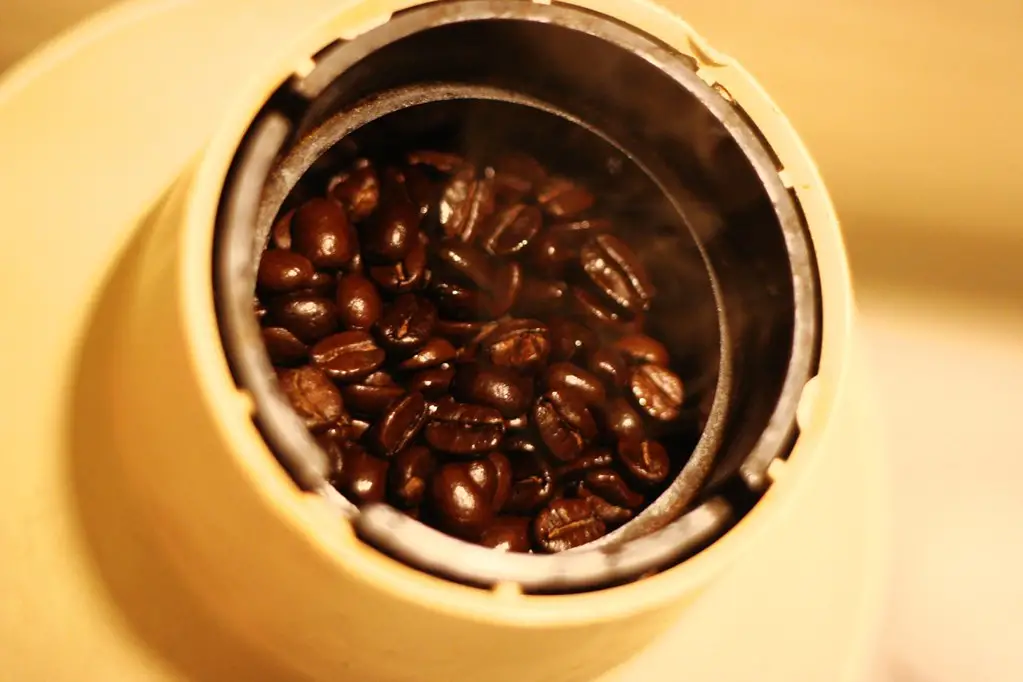
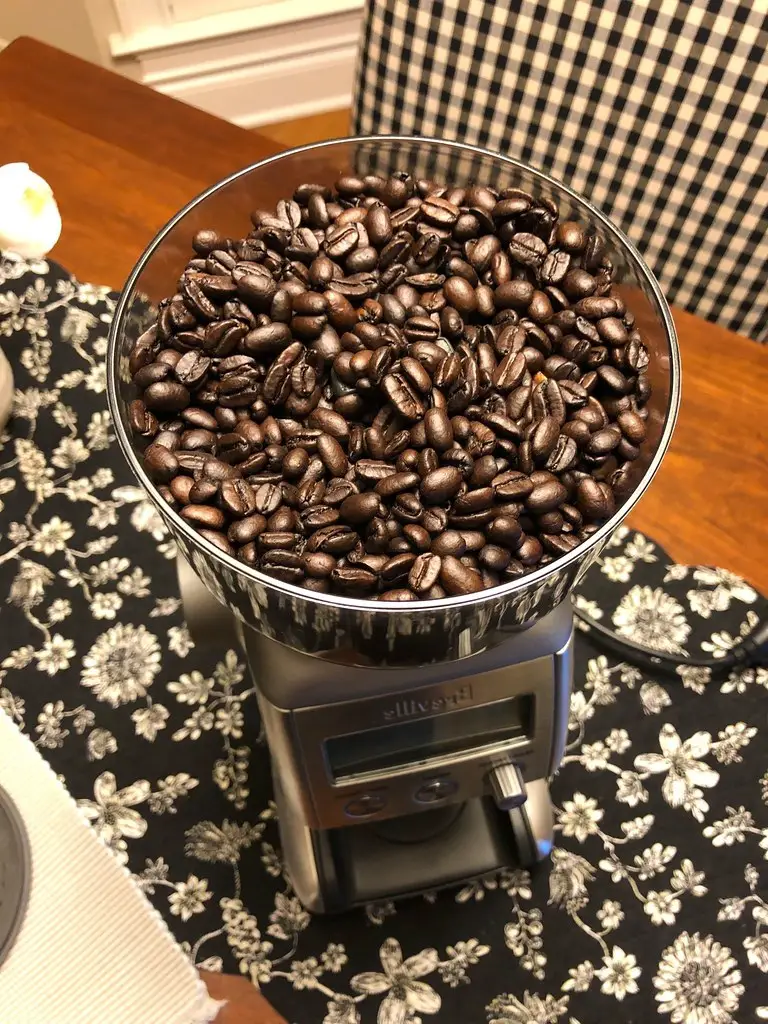
Dark French roast coffee beans with distinctive oily surface sheen on wooden background
French roast beans roasted to ~240°C display the characteristic oily surface sheen — a direct result of oil migration during second-crack roasting, and the visual marker that distinguishes French roast from all lighter roast levels.

French roast coffee is a roast level — one of the darkest commercially available — not a brewing method, a country of origin, or a flavor additive. Beans labeled “French roast” have been taken through an extended roasting process to roughly 240°C (464°F), well past the second crack. That roasting decision changes everything about how the coffee behaves in your cup, and it’s exactly why brewing parameters designed for medium roasts will ruin a French roast every time.

  • What makes French roast coffee different from other roasts:
  • French roast is the darkest common roast level — not a brewing method or French origin
  • Beans are roasted to the second crack, around 240°C (464°F), producing an oily surface sheen
  • Extended roasting drives oils from inside the bean to its surface, creating a visibly glossy bean
  • Flavor is bold, smoky, and low-acid — not necessarily high-caffeine
  • At dark roast temperatures, over 85% of chlorogenic acids are degraded (JayArr Coffee)
  • Water temperature matters more for French roast than for any lighter roast level

Understanding these six facts sets up everything that follows. The same roasting process that creates French roast’s signature smokiness also makes the beans more soluble and more reactive to water temperature. That’s the insight competitors consistently miss — and the reason this guide leads with it.

What “French Roast” Actually Means

Four-stage French roast coffee brewing process showing water temperature, grounds, steeping, and final pour
The four critical stages of the French roast coffee recipe: calibrated water temperature (185-195°F), coarse grounds, 4-minute steep, and immediate pour — each step preventing the bitterness that ruins most dark roast cups.

French roast is a roast classification defined by the internal bean temperature reached during roasting, not by geography or brewing style. Roasters take French roast beans to approximately 240°C (464°F), which places them at or just past the end of the “second crack.”

Here’s what those cracks sound like, because you may hear them if you ever roast at home. The first crack sounds like popcorn popping — a series of sharp, energetic pops around 196°C (385°F). As roasting continues, the beans enter the second crack around 224-232°C (435-450°F), which sounds quieter and more like snapping dry twigs. French roast begins at the middle-to-end of that second crack.

At those temperatures, the roasting process drives essential oils from deep inside the bean cell structure to the surface. Hold a French roast bean up to the light — you’ll see a reflective, oily sheen. Compare it to a light roast bean, which looks dry and matte. That oil migration is not a flaw. It’s the visual signature of a properly roasted dark bean.

The UC Davis engineering guide to coffee roasts notes that dark roasts taken to the second crack exhibit lower acidity and darker flavor profiles than lighter roasts, due to the breakdown of chlorogenic acids at high roasting temperatures (UC Davis College of Engineering). In plain terms: the smoky, chocolatey character you taste in French roast comes directly from this chemical transformation. Less acidity means less brightness, less fruitiness, and a heavier, more rounded body.

Side-by-side comparison of light roast, medium roast, and French roast coffee beans showing oily surface difference
French roast beans (right) display the distinctive oily surface sheen created by oil migration during second-crack roasting at ~240°C — the key visual indicator that separates French roast from lighter roast levels.

This oily surface is also the reason French roast is more reactive to water temperature. The oils extract faster than they do in lighter roasts. Pour near-boiling water on them and you pull bitter, harsh compounds immediately. Understanding this is the foundation of the Bitterness Triangle — the three variables (water temperature, grind size, and steep time) that control whether your cup is smooth or unpleasant. More on that framework in H2 #4.

Transition: That oily surface isn’t just visual — it directly affects how your coffee extracts, and it’s the reason French roast needs lower water temperature than lighter coffees.

learn more about French roast coffee

Flavor Profile: Bold, Smoky, and Low-Acid

Pour a properly brewed French roast and you’re greeted with specific, distinctive aromas: dark chocolate, wood smoke, toasted grain, and sometimes a faint caramel edge. In the cup, the flavor follows through — bold and full-bodied, with no fruity brightness and virtually no acidity. Compare this to a medium roast, which might taste like milk chocolate plus stone fruit. French roast tastes like dark chocolate plus campfire. Neither is better. They’re simply different flavor profiles built for different preferences.

The body is thick and coating. French roast leaves a lingering sensation on the tongue that lighter roasts don’t. This is partly why French press — which retains coffee oils in the cup rather than filtering them out — is the ideal brewing method for this roast level.

Here’s the flavor paradox beginners often find confusing: French roast tastes intensely bitter in a bad cup, yet the roasting process actually reduces the main bitter compound. NIH published research on chlorogenic acid shows the dark roasting process significantly decreases chlorogenic acid content — the primary compound responsible for perceived bitterness — meaning over-extraction during brewing is the real culprit for a bitter cup (NIH/PubMed). The bitterness you taste isn’t from the roast. It’s from brewing mistakes.

French Roast vs. Medium Roast — At a Glance:

AttributeFrench RoastMedium Roast
FlavorDark chocolate, smoke, toasted woodMilk chocolate, fruit, mild sweetness
AcidityVery lowMedium
BodyFull, coatingMedium, clean
Caffeine (by weight)Slightly lessSlightly more
Ideal brew methodFrench press, moka potPour over, drip

Knowing this flavor map helps you set the right expectations and explain to someone else why your cup tastes the way it does.

Transition: Now the big question beginners always ask — is French roast actually stronger? The answer might surprise you.

Is French Roast Stronger?

Selection of French roast coffee bean bags with dark roasted beans showing roast date labels for freshness
The most important label to read on any French roast bag is the roast date — not the expiration date. Beans roasted within the past 2-4 weeks deliver peak flavor; beyond 30 days, complexity fades regardless of brand.

French roast has a bolder flavor, but it does not have more caffeine. This is the most common misconception in the entire dark-roast category, and it’s worth clearing up before you brew your first cup.

Caffeine is a thermally stable molecule — it doesn’t simply “burn off” during roasting the way aromatics do. However, a recent peer-reviewed study on filter coffee (PubMed) found that under identical brewing conditions, caffeine concentrations in brewed samples were generally lower for dark roasts than light and medium roasts. Caffeine content peaked at roasting levels corresponding to light-to-medium roasts (Daily Coffee News). French roast falls below that peak.

The nuance that trips up most home brewers is the by-weight vs. by-volume distinction. By weight (using a kitchen scale), light roast edges out dark roast slightly in caffeine — denser, less-roasted beans pack more caffeine per gram. By volume (using a scoop), the result can flip. Dark roast beans are larger and less dense after roasting, so a tablespoon of French roast may contain fewer beans by mass — which can reduce the caffeine in your scoop. The difference is roughly 6mg per 8oz cup (Aerial Resupply Coffee) — less than two sips of soda.

Roast Level Quick Reference:

Roast LevelCaffeine by WeightFlavor Intensity
Light roastSlightly highestMild, bright, fruity
Medium roastModerateBalanced, chocolatey
French roastSlightly lowestBold, smoky, low-acid

Practical takeaway: if you’re drinking French roast specifically for the caffeine kick, a medium roast will serve you better. If you want bold, smoky flavor with a gentler caffeine curve, French roast delivers exactly that.

Transition: With that cleared up, let’s make sure you have the right tools and ingredients before you start your first french roast coffee recipe.

What You Need: Equipment and Ingredients

French press coffee brewing equipment including burr grinder, gooseneck kettle, kitchen scale, and thermometer
The four essential tools for a precise French roast brew: French press, burr grinder, temperature-control kettle, and kitchen scale — each one directly impacts cup quality.

Before you start your french roast coffee recipe, gather these four items. Having everything ready takes the guesswork out of brewing and prevents the most common beginner mistake: improvising mid-brew. Precision matters more with French roast than with any other roast level because the beans are more reactive — small changes in temperature, grind, or timing show up immediately in the cup.

discover essential coffee ingredients and grinding tips

Equipment Checklist

You need four things. Nothing more, nothing less.

  • French press — Any size works. The 8-cup (34 oz) model is the most common and brews two generous servings. Glass and stainless steel both work fine.
  • Burr grinder — This is non-negotiable if you want consistent results. A burr grinder crushes beans to a uniform particle size. A blade grinder chops randomly — some pieces end up too fine, some too coarse — which causes simultaneous over-extraction and under-extraction in the same cup: muddy AND bitter.
  • Kettle with thermometer — A gooseneck kettle gives you the most control over pour speed and direction. A standard kettle works too, but you need a way to hit 185-195°F. A basic clip-on thermometer costs under $10 and solves this immediately.
  • Kitchen scale — A tablespoon of coffee can vary by up to 20% depending on grind size and how loosely you scoop. A basic digital kitchen scale costs under $15 and makes a measurable, immediate difference in cup consistency.

Transition: Once you have your equipment, the most important thing to nail is your ratio.

The Coffee-to-Water Ratio: Why 1:15 Works

Kitchen scale showing 30g of coarse French roast coffee grounds with 450ml water for 1:15 brewing ratio
The 1:15 ratio — 30g of coarse French roast to 450ml of water — compensates for dark roast’s lower extraction yield and produces a full-flavored cup without thinness or bitterness.

The coffee-to-water ratio is the single most important variable in French press brewing. The 1:15 ratio means 1 gram of coffee for every 15 grams (or milliliters) of water. For a standard two-cup batch: 30g coffee to 450ml water.

The Specialty Coffee Association Golden Cup Standard recommends 55 grams of coffee per liter of water (±10%) for optimal extraction (Specialty Coffee Association). That works out to approximately 1:18 — slightly weaker than the 1:15 ratio recommended here. The difference is intentional. French roast beans have a lower extraction yield than lighter roasts because the extended roasting process has already broken down more of the bean’s soluble material. A slightly stronger starting ratio (1:15) compensates for that lower yield and produces a full-flavored cup rather than a thin one.

Batch Size Calculator:

Batch SizeCoffeeWater
Small (2 cups)15g225ml
Standard (4 cups)30g450ml
Large (8 cups)60g900ml

If you don’t have a scale yet, use 2 tablespoons of coarsely ground coffee per 6 oz of water as a starting point. It won’t be as precise, but it’s a workable baseline while you wait for your scale to arrive.

Transition: Now let’s talk about grind — the most visually confusing part of French press brewing.

Grind Size: What “Coarse” Actually Looks Like

Coarsely ground coffee for French press should look and feel like coarse sea salt or raw sugar — each particle is distinct, visible, and gritty between your fingers. If your grind looks like fine sand or feels smooth like flour, it’s too fine for French press and will cause exactly the muddy, bitter cup you’re trying to avoid.

Why does this matter so specifically for French press? The brewing method is immersion brewing — grounds sit submerged in hot water for 4 full minutes. Fine particles extract too quickly (releasing bitter compounds early), and they also slip through the metal mesh filter into your cup, creating sediment. Coarse particles extract at a controlled rate and stay above the filter where they belong.

A quick test: rub a pinch of your ground coffee between your fingers. You should feel distinct, gritty particles — not a smooth powder. If you can’t feel individual particles, grind coarser.

Coffee grind size comparison chart showing espresso fine grind versus medium drip grind versus coarse French press grind with sea salt reference
Coarse French press grind (highlighted) resembles sea salt crystals — distinct, gritty particles that control extraction rate during 4-minute immersion brewing and prevent the over-extraction that causes bitterness.

Transition: You have your equipment, your ratio, and your grind sorted. Here’s the exact recipe.

How to Make French Roast Coffee: Step-by-Step Recipe

Vietnamese-style French roast iced coffee with sweetened condensed milk and ice in a tall glass
Cà phê sữa đá — Vietnamese-style French roast iced coffee: concentrated dark brew poured over sweetened condensed milk and ice, transforming the same recipe into a rich, sweet cold drink.

This french roast coffee recipe uses three calibrated variables — 185-195°F water, a 1:15 ratio, and coarse grind — to extract bold flavor without bitterness. The full process takes about 10 minutes. Here’s exactly how to do it.

All three variables connect directly to the Bitterness Triangle framework: temperature controls how fast compounds extract, grind size controls the surface area available for extraction, and steep time controls how long extraction continues. Get all three right and the result is a smooth, bold cup. Miscalibrate any one of them and bitterness follows.

  • Recipe Card:
  • Yield: 2 cups (450ml)
  • Coffee: 30g French roast, coarsely ground
  • Water: 450ml at 185-195°F
  • Steep time: 4 minutes
  • Total time: ~10 minutes

follow a step-by-step French press brewing guide

Step-by-step French press brewing infographic showing preheat, grind, bloom, steep, plunge, and serve stages for French roast coffee
The six-stage French press brewing sequence for French roast — each step calibrated to the 185-195°F temperature window that prevents over-extraction and eliminates bitterness.

Step 1: Preheat Your French Press

A cold French press drops your water temperature by 5-10°F the moment you pour. If you’re targeting 185-195°F and your press is sitting at room temperature, you’ll land at 175-185°F before a single second of extraction has occurred. Preheating takes 30 seconds and keeps you in the right range.

  • How to do it:
  • Fill the empty French press with boiling water.
  • Swirl the water around the glass and plunger.
  • Discard the water.

While the press preheats, weigh 30g of French roast beans on your kitchen scale and grind them to a coarse, sea-salt texture. Grind right before brewing — pre-ground coffee stales within hours. Freshly ground beans smell alive: smoky, complex, intense. Beans ground the night before smell flat. You’ll notice the difference immediately.

Step 2: Heat Water and Let Coffee Bloom

Bring your kettle water to a boil, then remove it from heat and wait 90 seconds. This drops the temperature from 212°F (100°C) to the 185-195°F target range. A temperature-control kettle simplifies this step — set it to 190°F and pour when it signals ready.

Now, let coffee bloom. The bloom — also called pre-infusion — is a 30-second pour of a small amount of water over the grounds before adding the full amount. Here’s why it matters: freshly roasted coffee releases carbon dioxide gas (CO₂) trapped inside the beans. If you pour all your water at once, that CO₂ creates a barrier between the water and the grounds, causing uneven extraction. The bloom releases it first.

  • How to do it:
  • Add your 30g of coarsely ground coffee to the preheated French press.
  • Pour just enough 185-195°F water to saturate all the grounds — roughly 60ml (twice the weight of the coffee).
  • Gently stir once with a spoon.
  • Wait 30 seconds. You’ll see the grounds puff up and bubble slightly — that’s CO₂ escaping.
  • After 30 seconds, pour in the remaining water to reach your 450ml total.

Step 3: Steep for Exactly 4 Minutes

Place the lid on your French press with the plunger pulled all the way up. Do not press yet. Set a timer for 4 minutes and walk away.

Four minutes is the calibrated steep time for French roast at 185-195°F with a coarse grind. It’s long enough to extract the bold, chocolatey compounds that define French roast’s character. It’s short enough to stop before the harsher, more bitter compounds — which extract more slowly — have time to dominate the cup. The National Coffee Association recommends water between 195-205°F for standard extraction — but for French roast specifically, staying at 185-195°F prevents the over-extraction that causes a bitter finish. The lower temperature compensates with slightly longer steep time.

  • What happens during steeping:
  • Minutes 1-2: Sugars and pleasant aromatic compounds extract first
  • Minutes 2-3: Body-building oils and full-flavor compounds extract
  • Minutes 3-4: Final balance of flavor compounds reaches equilibrium
  • Beyond 4 minutes: Harsh, bitter compounds begin dominating — stop here

Step 4: Press Slowly and Serve Immediately

At the 4-minute mark, grip the French press firmly and press the plunger slowly and steadily over 30 full seconds. Pressing fast forces fine particles through the filter and introduces turbulence that can muddy the cup. You should feel gentle resistance — if the plunger goes down with no resistance, your grind was too coarse; if it requires heavy force, it was too fine.

  • How to do it:
  • At the 4-minute timer, apply gentle downward pressure to the plunger.
  • Press at a steady pace — aim for 20-30 seconds to reach the bottom.
  • Stop when the plunger hits the grounds.
  • Pour immediately into your mug — do not let coffee sit in the press.

That last point matters. Once you’ve pressed, coffee continues extracting from the grounds sitting below the filter. Every minute it sits in the press adds bitterness. Pour everything into your mug or a separate carafe right away.

Serve hot. Add a splash of cold water or a small pour of milk if the smokiness feels intense on the first sip — this is normal when your palate is adjusting to French roast.

How to Make French-Style Coffee: Alternative Methods

The term “French-style coffee” sometimes refers to the French press method specifically, and sometimes to a broader style: strong, dark, and full-bodied. Beyond the French press, you can achieve a similar result with two other methods.

Moka pot (stovetop espresso): Fill the bottom chamber with cold water to the pressure valve, pack the filter basket with medium-fine French roast grounds (not coarse — the moka pot uses pressure, not immersion), and heat on medium-low until coffee fills the upper chamber. The result is more concentrated than French press — closer to espresso in strength, with the same smoky French roast character.

Pour over: Use a 1:15 ratio, 185-195°F water, and a medium-coarse grind. Bloom for 30 seconds, then pour in slow, steady circles over 3-4 minutes total. The paper filter removes the oils that French press retains, producing a cleaner, less heavy cup — still smoky and dark, but with more clarity.

Both methods produce a genuinely French-style coffee experience. The French press simply delivers the most body and the richest oil content, which is why it’s the recommended starting point for this guide.

Common Mistakes and How to Fix Them

Bitterness Triangle diagram showing three variables controlling French roast coffee quality: temperature, grind size, and steep time
The Bitterness Triangle: water temperature, grind size, and steep time are the three variables that determine whether your French roast cup is bold and smooth or bitter and unpleasant — miscalibrate any one and the cup suffers.

Most bad cups of French roast trace back to one of three variables. Testing at 185°F versus 200°F, coarse versus medium grind, and 4 minutes versus 6 minutes consistently produces dramatically different results — and the pattern is always the same: the Bitterness Triangle (temperature, grind size, steep time) is the framework that explains why. Miscalibrate any single variable and bitterness follows. Miscalibrate two or three and the cup becomes undrinkable.

Here’s how to diagnose and fix each mistake.

Mistake #1: Water Too Hot (The Most Common Error)

The mistake: Using near-boiling water — 200°F or higher — because that’s what most guides recommend for French press.

Why it ruins French roast: Dark roast beans are more soluble than lighter roasts. The extended roasting process has already broken down the bean’s cell structure, making it easier for water to penetrate and extract compounds. Hotter water accelerates this extraction dramatically. At 205°F, you extract everything — including the harsh, astringent compounds that were meant to stay in the grounds. The result is a cup that tastes burnt, ashy, and bitter.

The fix: Use water at 185-195°F. A practical method without a thermometer: bring water to a full boil, then let it sit off heat for exactly 90 seconds. Testing confirms this approach drops temperature to approximately 188-193°F in a standard kettle (Coffee Bros). Dark roast beans extract beautifully at this lower temperature — you get the bold, smoky flavor without the harsh edge.

The quick test: If your cup tastes like burnt wood or cigarette ash, water temperature is the most likely culprit. Reduce it by 10°F and compare.

Mistake #2: Grind Too Fine (The Sneaky Saboteur)

The mistake: Using a medium or medium-fine grind — or buying pre-ground coffee labeled “French press” that’s actually ground for drip.

Why it ruins French roast: Finer particles have more surface area exposed to water, which means they extract faster. In a 4-minute immersion brew, fine grounds over-extract within the first 2 minutes — releasing bitter compounds into the cup for the remaining 2 minutes. Additionally, fine particles slip through the French press mesh filter, creating sediment and a muddy texture.

The fix: Grind coarse — the texture of coarse sea salt. If you’re using a burr grinder, set it to the coarsest setting and work back from there. If you’re buying pre-ground, look specifically for bags labeled “French press grind” and verify with the finger-rub test: you should feel distinct, gritty particles.

The quick test: If your cup looks muddy and has visible sediment, your grind is too fine. If the plunger required almost no effort to press, same diagnosis.

Mistake #3: Steeping Too Long (The Patience Trap)

The mistake: Letting coffee steep for 5, 6, or 8 minutes because “stronger steep = stronger coffee.”

Why it ruins French roast: Extraction is not linear. The first 2-3 minutes pull pleasant flavors — sweetness, body, chocolate notes. After 4 minutes, the extraction curve flattens for desirable compounds and begins pulling bitter, astringent compounds that were slow to dissolve. French roast is particularly vulnerable here because its compounds are already more soluble — the bitter ones extract faster than they do in lighter roasts.

The fix: Set a timer for exactly 4 minutes and stick to it. If you want a stronger cup, don’t extend steep time — increase your coffee dose instead (try 35g instead of 30g). More coffee, same steep time = stronger flavor without bitterness.

The quick test: If your cup tastes fine for the first few sips then turns bitter toward the bottom, your steep time is likely too long — or you left coffee sitting in the press after plunging.

Pro Tips for a Perfect Cup Every Time

These four habits separate a consistently great cup from an occasionally good one.

  • Grind fresh, every time. Ground coffee stales within hours as the volatile aromatics escape. Pre-ground French roast loses roughly 60% of its aromatic complexity within a day of grinding (Coffee Bros). A burr grinder pays for itself within two weeks of use.
  • Use filtered water. Tap water contains chlorine and minerals that compete with coffee’s flavor compounds. If your tap water tastes flat or chemical, your coffee will too. Filtered or spring water makes a noticeable difference.
  • Decant immediately after pressing. Every minute coffee sits in the press after plunging, it continues extracting from the grounds below the filter. Pour everything out right after pressing — into a carafe if you’re not drinking it immediately.
  • Preheat your mug. A cold mug drops your coffee temperature by 10-15°F in under a minute. Fill your mug with hot water for 30 seconds while the coffee steeps, then dump it before pouring. Small step, noticeable result.

Choosing the Best French Roast Beans

Starbucks-inspired French roast coffee brewed at home with oat milk in a white ceramic mug
The Starbucks-inspired French roast at home: the same bold dark cup for $0.60 instead of $6.00 — fresher beans, calibrated temperature, and the same rich flavor without the café markup.

The recipe is only as good as the beans you start with. Even perfect brewing parameters can’t rescue stale beans or a roast level that doesn’t suit French press. Here’s what to look for, which brands to trust, and how to keep your beans fresh once you’ve found them.

What to Look For in French Roast Beans

Roast date, not expiration date. This is the single most important label to read on a bag of coffee. A roast date tells you when the beans were roasted — the information you actually need. An expiration date tells you very little; it may be set 12-18 months from roasting, by which point the beans have long since lost their peak flavor.

Look for beans roasted within the last 2-4 weeks. Coffee is at peak flavor 3-14 days after roasting (once initial CO₂ off-gassing has settled) and begins losing complexity after 30 days. If a bag has no roast date, treat it as a red flag.

100% Arabica vs. Robusta. For French roast at home, 100% Arabica beans generally produce a smoother, more complex cup with natural sweetness. Robusta beans have higher caffeine and a more aggressive, rubbery bitterness that amplifies at dark roast levels — though some Vietnamese and Italian-style dark roasts intentionally blend Robusta for body and crema. For your first French roast recipe, start with Arabica.

Single-origin vs. blend. Blends are specifically designed to produce a consistent, balanced flavor across different brew methods — a good starting point. Single-origin French roast can be extraordinary, but the flavor is more variable and the roasting style matters more. Start with a blend until you’re comfortable with the recipe, then explore single-origins.

Top French Roast Coffee Brands

Evaluation across multiple coffee guides, specialty roaster reviews, and community consensus across coffee communities indicates these brands consistently deliver for home French press brewers.

Lifeboost Midnight Roast — Rated best overall French roast by Fluent in Coffee, Lifeboost Midnight Roast uses low-acid, pesticide-free Arabica beans with a clean, smooth dark roast character. It’s a strong choice for beginners who want consistency without bitterness.

SF Bay Coffee French Roast — Named “Best French Roast” in the Coffeenatics dark roast guide, SF Bay blends Central and South American beans roasted to a classic French level. It’s widely available, reasonably priced, and reliably consistent — a practical everyday option.

Starbucks French Roast — The most accessible French roast on the market, available at virtually every grocery store. Pre-ground versions are convenient, though whole bean with home grinding produces noticeably better results. Best for those who want a familiar, predictable cup.

Peet’s Major Dickason’s Blend — While technically a dark roast blend rather than a pure French roast, Peet’s flagship blend is barista-tested and rated best overall dark roast (Fluent in Coffee). It performs exceptionally in French press with notes of dried fruit and baking spice alongside its roasty character.

Volcanica French Roast — Recommended as the best subscription option for those who want specialty-style French roast delivered fresh on a recurring schedule. Consistent roast dates and specialty-grade sourcing make this a step up from supermarket options.

Quick Brand Comparison:

BrandBest ForRoast StyleAvailability
Lifeboost Midnight RoastSmoothest cup, low acidVery dark, cleanOnline
SF Bay Coffee French RoastEveryday valueClassic French roastGrocery + online
Starbucks French RoastMaximum convenienceDark, accessibleEverywhere
Peet’s Major Dickason’sFull-flavor dark blendDark blendGrocery + online
Volcanica French RoastFreshest beans, subscriptionSpecialty French roastOnline

What Is Considered the Best-Tasting Coffee in the World?

This question has no single answer — coffee quality is deeply subjective and tied to personal flavor preferences. That said, specialty coffee organizations and industry experts point to several consistent indicators of exceptional quality.

Coffees scoring 90+ on the Specialty Coffee Association’s 100-point scale are considered “outstanding.” These tend to be single-origin beans from specific high-altitude farms in Ethiopia, Panama (Geisha varieties), Colombia, and Yemen. For dark roast specifically, Indonesian origins (Sumatra, Sulawesi) frequently top expert lists for their earthy, full-bodied character that holds up beautifully at French roast levels.

For home brewing, “best-tasting” often comes down to freshness more than origin. A medium-grade coffee roasted last week will taste better than a premium coffee roasted three months ago. Roast date first, origin second.

Freshness and Storage: The 4 Enemies of Coffee

The National Coffee Association storage guide identifies four factors that destroy coffee freshness: air, moisture, heat, and light (NCA). Protecting against all four requires one simple habit: store beans in an airtight, opaque container in a cool, dark location.

Air (oxygen): Oxygen reacts with coffee oils and causes oxidation — the same process that makes butter go rancid. Once a bag is opened, transfer beans to an airtight container with a one-way valve (allows CO₂ to escape without letting oxygen in).

Moisture: Coffee is hygroscopic — it absorbs moisture from the air. Moisture accelerates staling and can introduce mold. Keep beans away from steam sources, including above the coffee maker.

Heat: High temperatures accelerate the breakdown of volatile aromatic compounds. Store beans away from the stove, oven, and direct sunlight. The counter next to your kettle is not ideal storage.

Light: UV light degrades coffee oils and accelerates oxidation. Clear glass jars on the counter look beautiful but are one of the fastest ways to stale your beans. Use an opaque container.

Do not refrigerate or freeze whole beans unless you’re storing them for more than two weeks. Refrigerators introduce moisture and absorb odors; freezing is only appropriate for long-term storage of unopened bags.

French Roast Recipe Variations

The core recipe produces a classic black French roast. Once you’ve mastered it, these two variations use the same technique with a few additions that completely transform the drinking experience — and both address search intents no competitor currently covers.

Vietnamese-Style French Roast (Cà Phê Sữa Đá)

Vietnamese iced coffee — cà phê sữa đá — is one of the most satisfying cold coffee drinks you can make at home. It uses strong dark-roast coffee, sweetened condensed milk, and ice to create a rich, sweet, intensely caffeinated drink that balances the smokiness of French roast perfectly.

Traditionally, this is brewed through a Phin filter — a small Vietnamese drip filter that sits atop a glass and drips slowly over 4-7 minutes. The Phin is inexpensive (under $10) and produces a uniquely concentrated brew. But a French press works almost as well and produces a similar result.

Vietnamese-Style French Roast Recipe (French Press Version):

  • Coffee: 30g French roast, coarsely ground
  • Water: 225ml at 185-195°F
  • Condensed milk: 2-3 tablespoons sweetened condensed milk (adjust to taste)
  • Ice: 1 glass, filled
  1. Spoon 2-3 tablespoons of sweetened condensed milk into the bottom of a tall glass.
  2. Brew your French roast using the standard recipe above, but with only 225ml of water (half the usual amount) — this produces a concentrated brew.
  3. After pressing, pour the hot coffee directly over the condensed milk and stir until fully combined.
  4. Pour the mixture over the glass of ice.
  5. Stir once more and serve immediately.

The condensed milk adds sweetness and creaminess that rounds out French roast’s smoky edge. The result is thick, sweet, and cold — completely different from the hot black cup, yet built on the same recipe.

Phin filter version: If you have a Phin, use 18g of coffee and 180ml of water at 195°F, allowing it to drip for 5-6 minutes directly over the condensed milk in your glass (Gota Café traditional recipe). Add ice after dripping is complete.

Starbucks-Inspired Dark Roast French Roast at Home

Starbucks French Roast beans are widely available and genuinely good — they’re one of the most consistently roasted dark coffees you can buy at a grocery store. This variation uses them to approximate the bold, smooth dark coffee experience Starbucks is known for, without the $6 price tag.

Starbucks-Style Dark Roast French Press (Serves 2):

  • Coffee: 30g Starbucks French Roast, whole bean, coarsely ground fresh
  • Water: 450ml at 185-195°F
  • Optional: 2 tablespoons whole milk or oat milk per cup; 1 teaspoon vanilla syrup for a flavored version
  • Follow the standard recipe exactly. The difference is in the finishing:
  • After pressing and pouring, add a small splash of cold whole milk or oat milk.
  • For a flavored Starbucks-style drink, stir in 1 teaspoon of vanilla syrup before adding milk.
  • Serve in a pre-warmed mug for the full café experience.

For a closer approximation of Starbucks-style espresso drinks at home, a moka pot produces the concentrated brew that works best with steamed milk. Use a fine-to-medium grind of Starbucks French Roast in the moka pot, brew until the upper chamber fills, then steam 4oz of cold whole milk and combine for a dark roast latte that’s remarkably close to the real thing.

The key difference from ordering at Starbucks: your beans are fresher (roasted within weeks, not months), your water temperature is calibrated for dark roast, and your cup costs roughly $0.60 instead of $6.

When French Press Isn’t the Right Tool

French press is the ideal brewing method for French roast — but it isn’t right for every situation or every preference. Knowing its limitations helps you make better brewing decisions.

Common Pitfalls to Avoid

Pitfall 1: Brewing for a crowd without a carafe. French press doesn’t keep coffee hot. If you’re brewing for four or more people, the last cups poured from a single press will be lukewarm. Fix: Pour everything immediately into a pre-warmed thermal carafe — don’t leave it sitting in the glass press.

Pitfall 2: Expecting espresso-style crema. French press produces a full-bodied, oil-rich cup — but no crema. Crema requires pressure extraction (espresso machines, moka pots). If you want crema, a moka pot is the right tool for French roast.

Pitfall 3: Taking it on the road. French press requires a kettle, a thermometer, a scale, and a timer. It’s a home brewing method. For travel, a portable Aeropress or a cold brew concentrate is far more practical.

Pitfall 4: Expecting a clean, sediment-free cup. French press always produces some fine sediment at the bottom of the mug — this is normal and harmless. If sediment bothers you, a pour over with a paper filter produces a completely clean cup. The trade-off is that paper filters remove the oils that give French roast its body.

When to Choose Alternatives

Choose pour over instead if you prefer a clean, bright cup with more clarity. Pour over with a paper filter removes the oils French press retains, producing a lighter-bodied drink that highlights the aromatic complexity of French roast rather than its body. The complete French roast brewing guide covers pour over parameters in detail.

Choose a moka pot instead if you want a concentrated, espresso-style brew for lattes, cappuccinos, or the Vietnamese-style variation above. The moka pot produces a much stronger concentrate — roughly 4x the strength of French press.

Choose cold brew instead if you’re brewing for the week ahead. French roast cold brew (coarse grind, cold water, 12-18 hours in the fridge) produces an extraordinarily smooth, low-acid concentrate that eliminates bitterness entirely. Mix 1:1 with water or milk to serve.

When to Seek Expert Help

If you’re experiencing persistent bitterness despite following this guide exactly — correct temperature, coarse grind, 4-minute steep — the issue may be your water quality. Extremely hard water (high mineral content) interferes with extraction in ways that temperature and grind adjustments can’t fix. A simple home water test kit will tell you if this is the case; if it is, specialty brewing water products like Third Wave Water are designed specifically for coffee and eliminate the variable entirely.

Frequently Asked Questions

What makes French roast coffee different from regular coffee?

French roast is a dark roast level defined by second-crack roasting temperature (~240°C / 464°F), not a brewing method or country of origin. Regular or “medium” coffee is roasted to lower temperatures, preserving more acidity, fruitiness, and caffeine. French roast undergoes extended roasting that drives oils to the bean surface, reduces chlorogenic acid content by more than 85% (JayArr Coffee), and produces a bold, smoky, low-acid flavor profile. The oily surface of French roast beans is the most visible sign of this difference. Most importantly for brewing, French roast beans are more soluble — they require lower water temperature (185-195°F) to avoid over-extraction.

Is French roast coffee stronger than regular coffee?

French roast has a bolder, more intense flavor — but it does not have significantly more caffeine. A recent peer-reviewed study (PubMed) found that under identical brewing conditions, caffeine concentrations in brewed samples were generally lower for dark roasts than light and medium roasts. The difference is approximately 6mg per 8oz cup (Aerial Resupply Coffee) — negligible for most people. By weight, light roast has slightly more caffeine due to denser beans. By volume (scoops), dark roast can appear stronger because less-dense dark roast beans pack fewer milligrams per scoop. If you’re drinking French roast for caffeine, a medium roast is a more efficient choice.

What are the 4 enemies of coffee freshness?

The four enemies of coffee freshness are air, moisture, heat, and light — a list the National Coffee Association calls coffee’s “greatest enemies” (NCA). Air causes oxidation, which turns coffee oils stale. Moisture promotes mold and dilutes flavor. Heat accelerates the breakdown of volatile aromatic compounds. Light (particularly UV) degrades oils and accelerates oxidation. Protect against all four by storing beans in an airtight, opaque container in a cool, dark place — a kitchen cabinet away from the stove and kettle. Avoid refrigerators (moisture and odor absorption) unless freezing sealed bags for long-term storage exceeding two weeks.

What is the best brand of French roast coffee?

There’s no single “best” brand — the right choice depends on your priorities. For the smoothest, least bitter cup, Lifeboost Midnight Roast is rated best overall French roast (Fluent in Coffee), with low-acid Arabica beans and consistent quality. For everyday convenience and value, SF Bay Coffee French Roast or Starbucks French Roast are widely available and reliably roasted. For the freshest beans, a subscription service like Volcanica French Roast ensures you’re always brewing within the optimal 2-4 week post-roast window. Regardless of brand, prioritize bags with a visible roast date within the past 30 days — freshness matters more than brand name.

Conclusion

For home brewers who want a bold, non-bitter cup, the french roast coffee recipe comes down to three calibrated decisions: 185-195°F water, a 1:15 ratio, and a coarse sea-salt grind. Research consistently shows that dark roasts over-extract at standard brewing temperatures — staying at 185-195°F is the single adjustment that separates a smooth French roast from a bitter one (Coffee Bros). Combine that temperature with a 4-minute steep and proper coarse grind, and you’ve covered all three sides of the triangle.

The Bitterness Triangle — temperature, grind size, and steep time — is the diagnostic framework that makes troubleshooting simple. When a cup goes wrong, one of those three variables is the cause. Lower the temperature if it tastes burnt. Grind coarser if it tastes muddy. Shorten the steep if bitterness builds after a few sips. Each variable has a clear fix, and each fix produces an immediately noticeable improvement. Once you’ve brewed a few cups using this guide, these calibrations become instinctive.

Your next step: brew one cup using the exact parameters in this guide — 30g coffee, 450ml water at 185-195°F, coarse grind, 4-minute steep. Taste it before adding anything. Notice the difference from your previous attempts. Then, when you’re ready, try the Vietnamese-style variation with 2 tablespoons of condensed milk over ice. Both cups start from the same recipe. Both are worth brewing this week.

Disclosure: As an Amazon Associate, I earn from qualifying purchases.

Article by Scott

Hi, I’m Scott, the creator of Quick Dish Cook Book. I started this site to share my passion for simple, delicious meals that anyone can make—no matter how busy life gets. Here, you’ll find easy-to-follow recipes, quick cooking tips, and no-fuss meal ideas to help you spend less time in the kitchen and more time enjoying great food.